Concrete Mix Design Resources for Michigan ContractorsResources
Getting a concrete mix right in Michigan is more demanding than it sounds. The same mix that performs well in a controlled environment can scale, crack, or lose air content in the field when temperatures drop, haul times stretch, or site conditions shift from what was planned. Michigan contractors and plant operators need mix designs built around the actual exposure conditions, structural requirements, and climate realities of working in this state.
The Michigan Concrete Association provides technical guidance, resources, and educational support to help contractors, plant operators, and commercial property managers make better mix design decisions. Whether you are specifying concrete for a pavement project, a flatwork installation, or a structural application, MCA connects you with the standards, best practices, and industry expertise that produce durable results.
What MCA Offers on Concrete Mix Design
MCA's concrete mix design resources are built for the professionals who need practical, technically grounded information they can apply to real projects in Michigan conditions.
Technical Guidance and Reference Materials
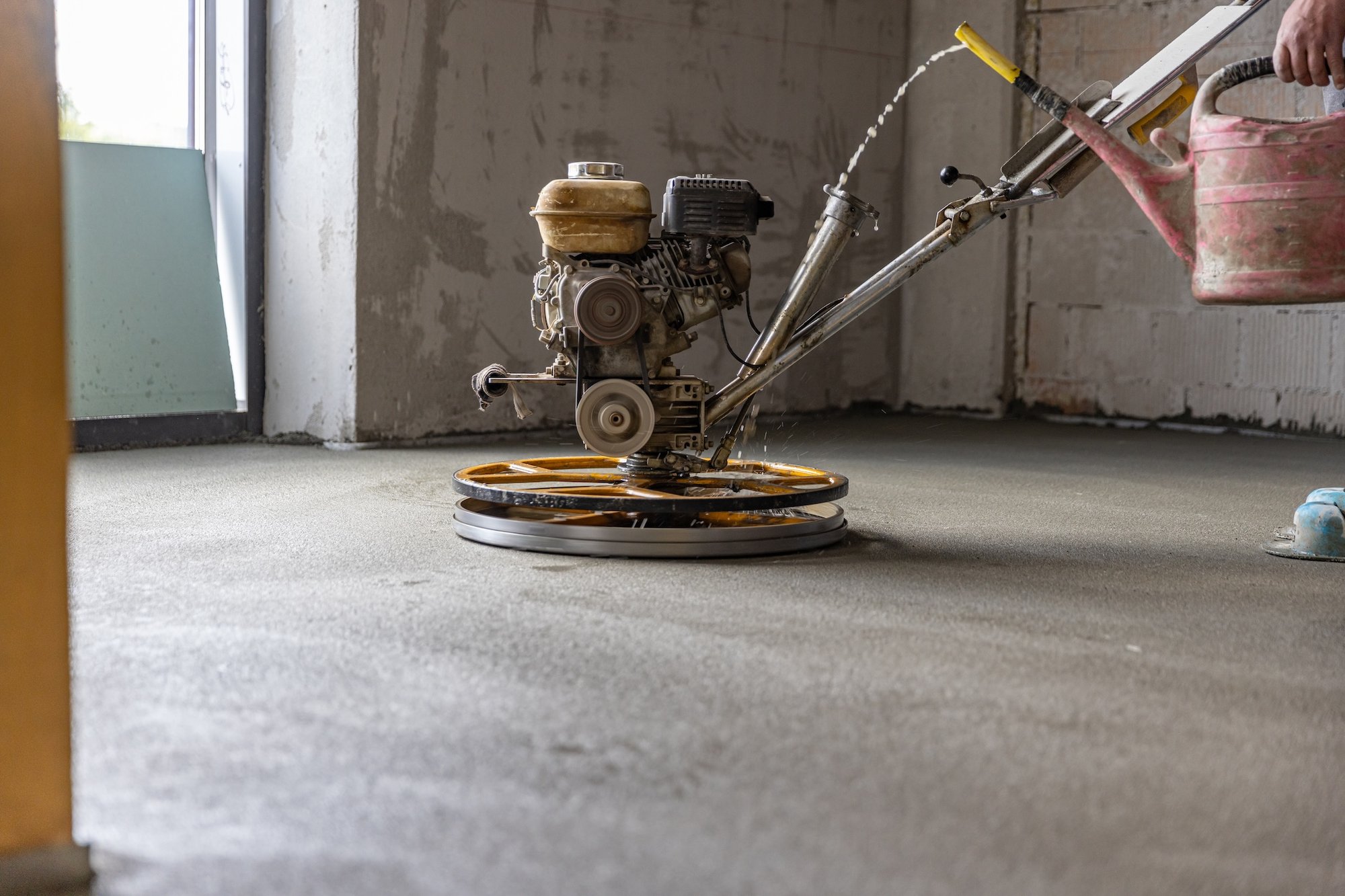
MCA provides access to technical publications, industry standard references, and guidance documents covering concrete mix design fundamentals. This includes material on water-to-cementitious materials ratios, air entrainment requirements for freeze-thaw resistance, supplementary cementitious materials such as fly ash and slag cement, and admixture selection for Michigan job site conditions. Resources are developed in alignment with ACI committee guidance and ASTM standards relevant to Michigan work, as covered in depth on MCA's concrete standards and best practices page.
Training and Certification Programs
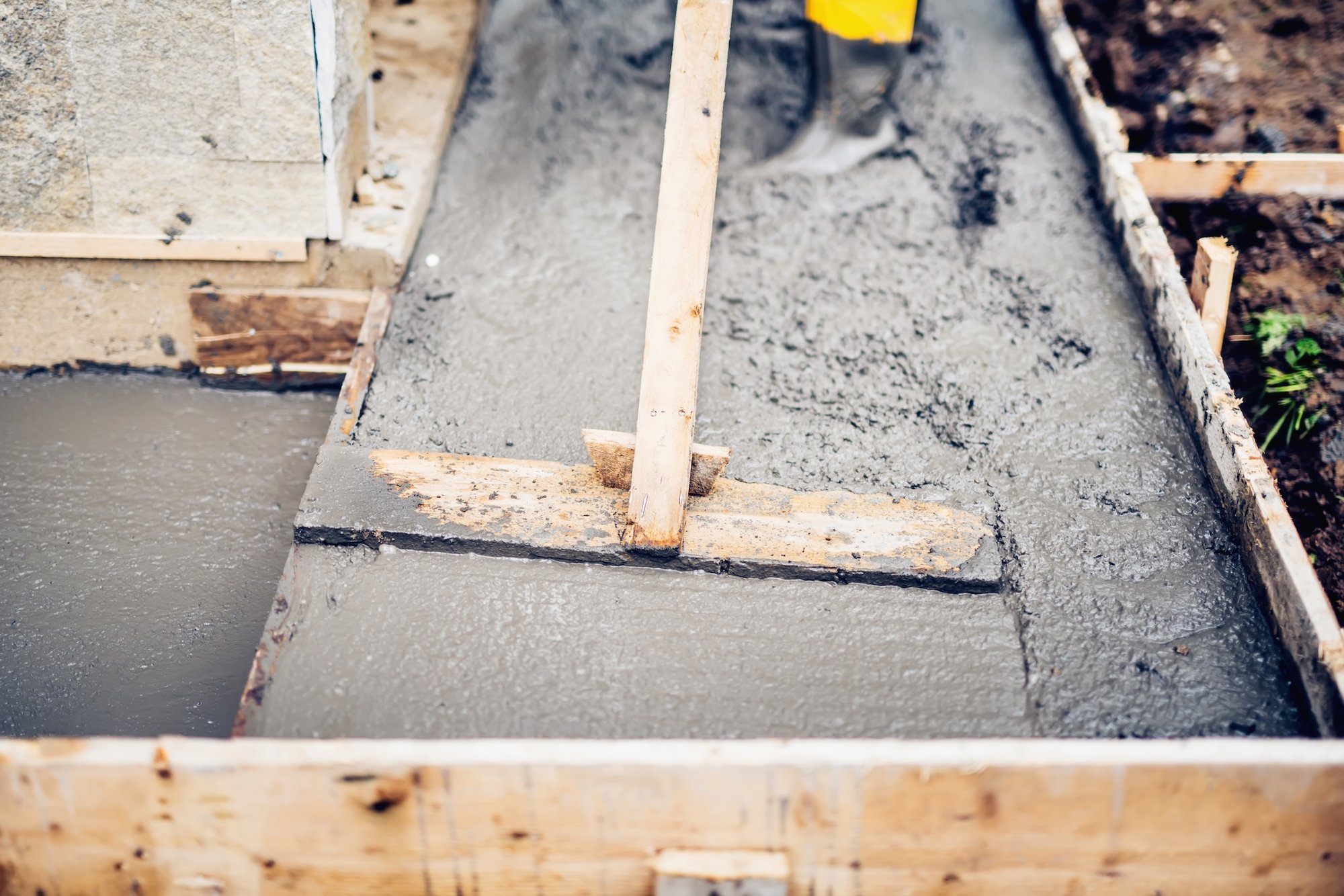
Understanding mix design theory is one part of the equation. Knowing how to verify it in the field through fresh concrete testing, air content measurement, and quality control procedures is the other. MCA's training center programs include ACI certification preparation for concrete field testing technicians and other roles that directly involve mix design verification and quality control on Michigan projects.
Industry Connections and Advocacy
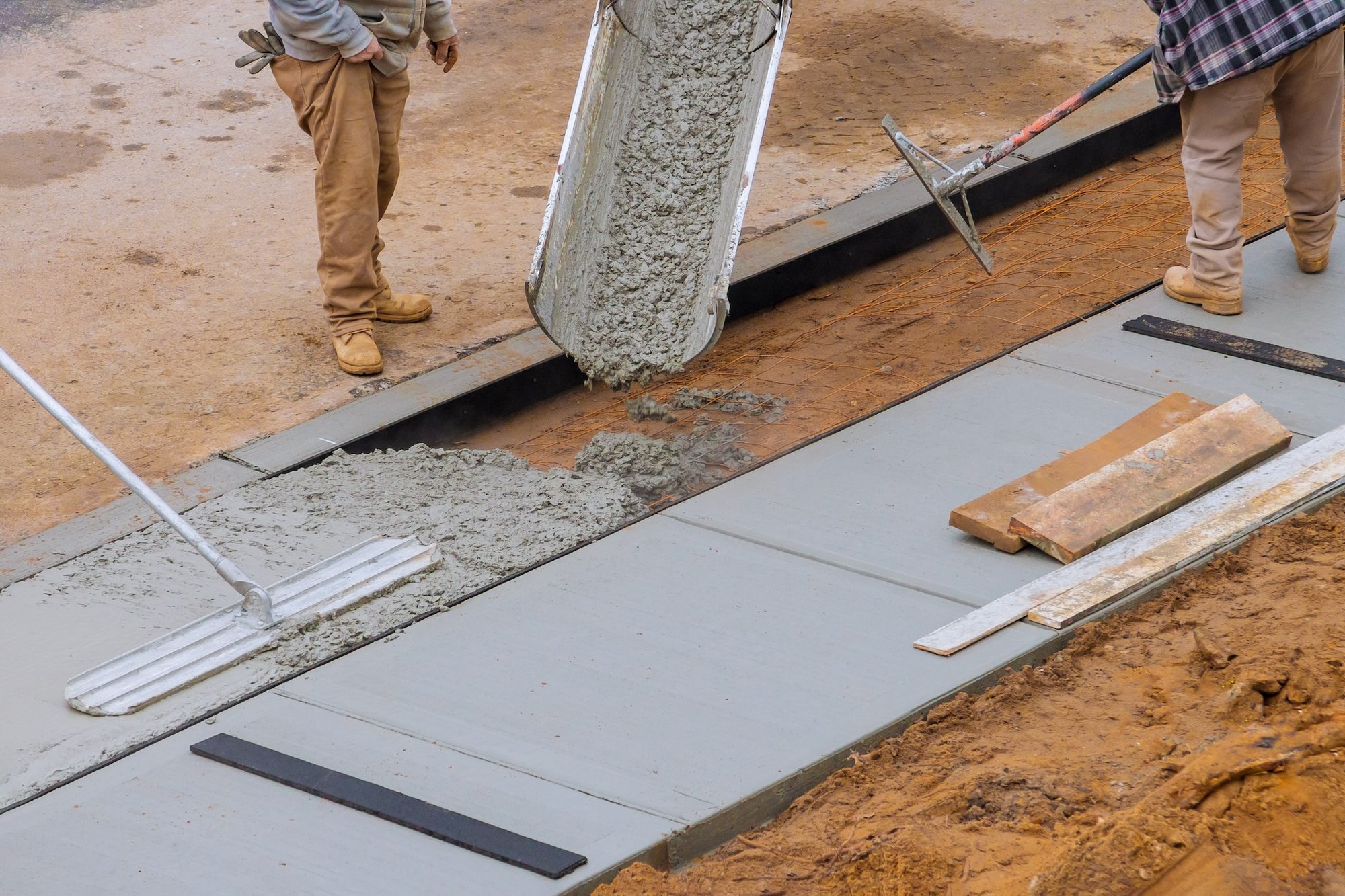
Mix design requirements in Michigan do not exist in a vacuum. MDOT specifications, EGLE environmental considerations, and evolving industry standards all shape what producers and contractors need to deliver on public and private work. MCA maintains active engagement with the agencies and organizations that influence those requirements, and MCA members receive timely updates when specification changes or new guidance documents affect mix design decisions.
Why Mix Design Matters in Michigan
Michigan's climate is one of the primary factors that separates concrete mix design decisions here from those in more temperate states. Freeze-thaw cycles create internal pressure on concrete that is not properly air-entrained. Road salt exposure increases chloride penetration in mixes with elevated water-to-cementitious materials ratios. Significant seasonal temperature swings affect hydration rates, finishing windows, and curing requirements in ways that require mix designs and field procedures to be adapted to the time of year.
For commercial property managers overseeing flatwork, pavement, or structural concrete, the mix design that goes into a project directly affects how long that concrete performs before requiring repair or replacement. Durable concrete starts with the right mix for the right exposure class, properly placed and cured. MCA's resources help both the contractors performing the work and the property managers specifying or overseeing it understand what those requirements look like in practice.
For ready-mix plant operators, mix design is the foundation of every load that leaves the yard. Maintaining compliance with customer specifications, MDOT requirements, and quality control protocols requires ongoing technical knowledge and reliable access to current standards. MCA supports that knowledge base through its publications, training programs, and member communications.
Key Mix Design Considerations for Michigan Work
Several technical factors carry particular weight for Michigan concrete applications. Understanding each of them helps contractors and operators make better decisions before batching begins.
Water-to-Cementitious Materials Ratio
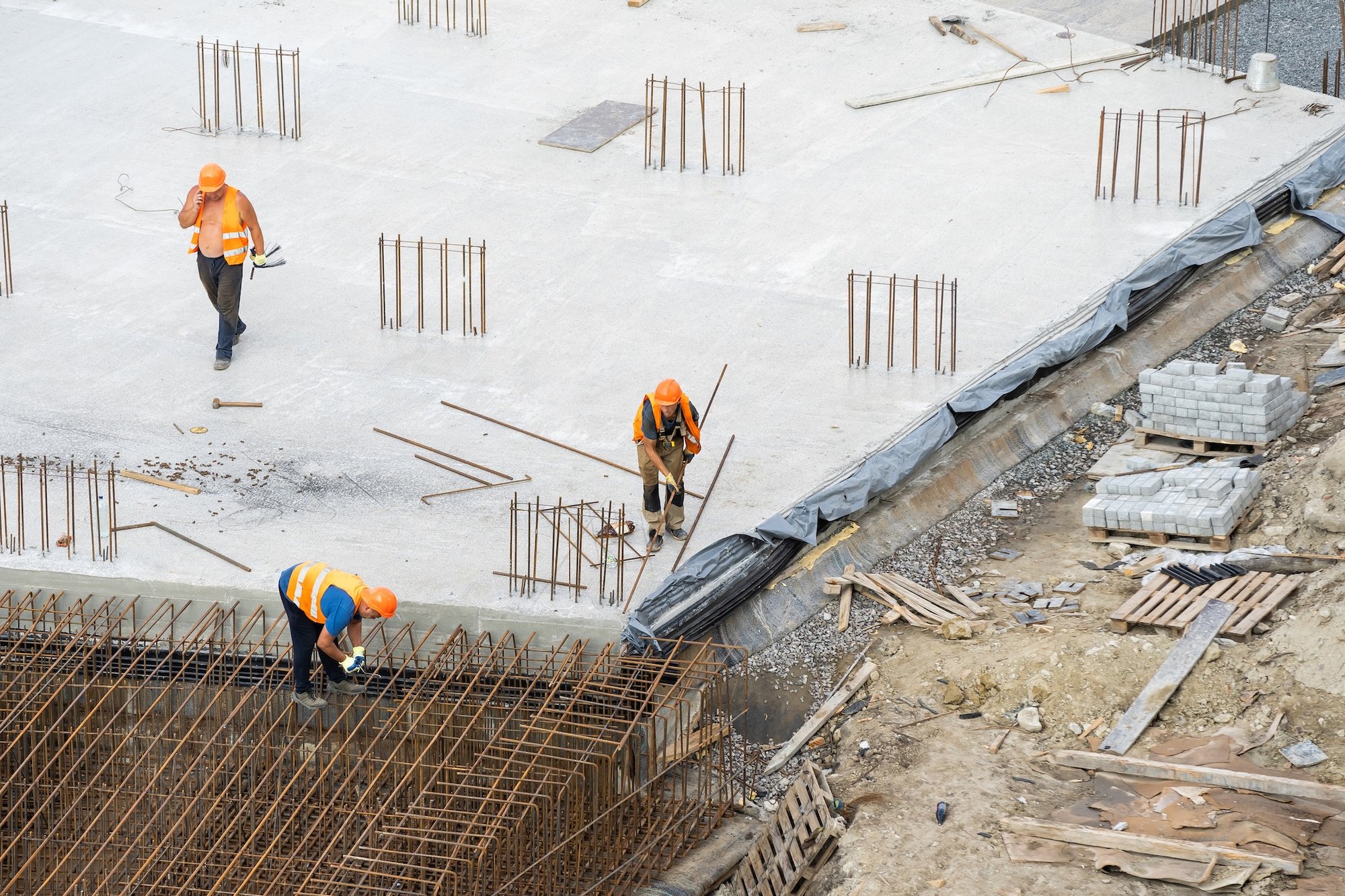
The w/cm ratio controls concrete permeability and durability more directly than almost any other mix design variable. Lower ratios produce denser concrete that resists chloride intrusion, freeze-thaw damage, and surface scaling. For exterior flatwork exposed to deicing chemicals in Michigan, a maximum w/cm of 0.45 is a common industry benchmark, with more demanding applications sometimes requiring 0.40. Adding water at the job site to improve workability increases the effective w/cm and reduces long-term durability, making proper admixture use at the plant the correct approach to managing workability needs.
Air Entrainment
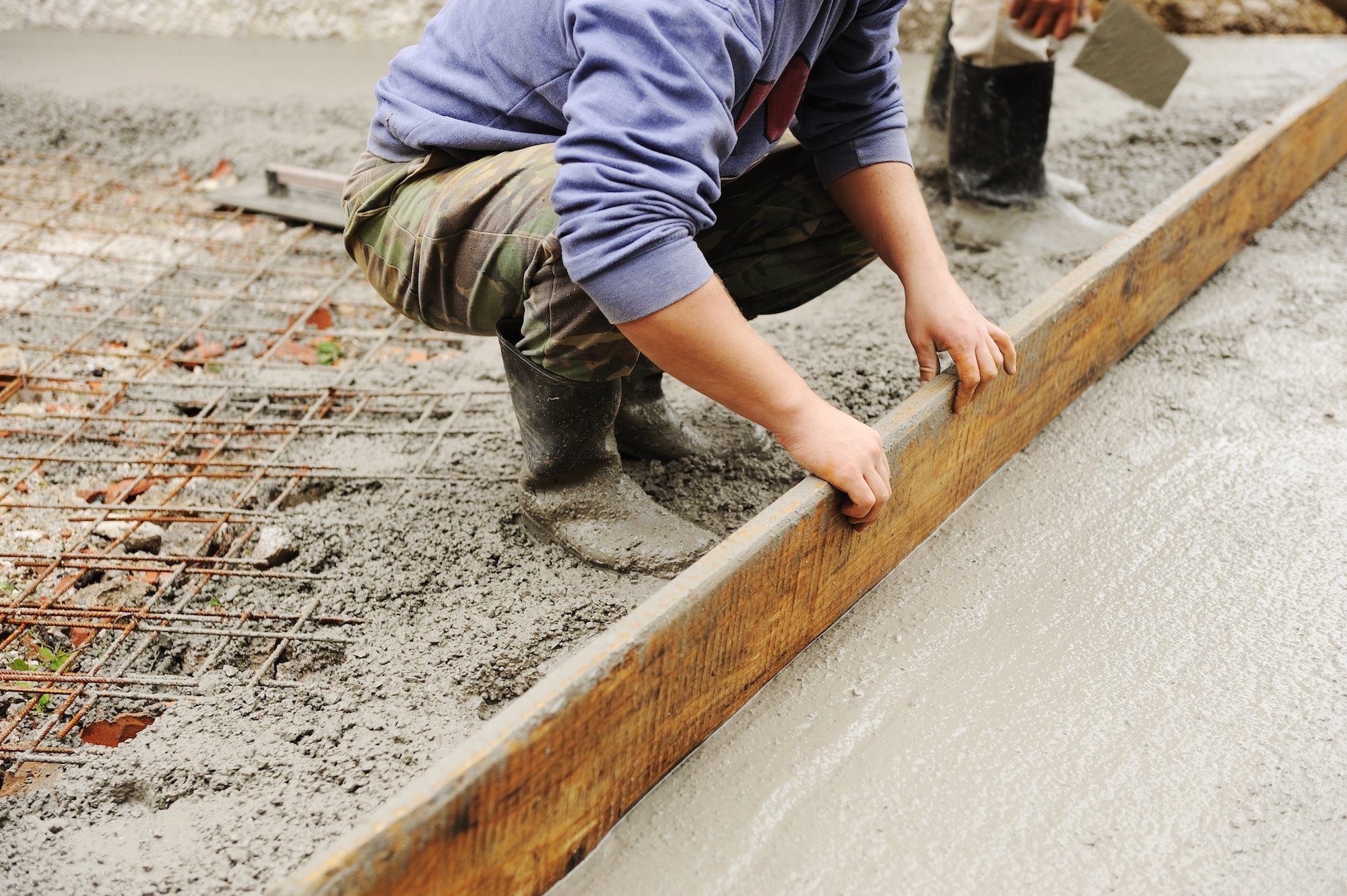
Entrained air is not optional for Michigan exterior concrete. The microscopic air voids created by air-entraining admixtures provide relief space for water expansion during freezing, protecting the paste from internal disruption. Total air content targets for most Michigan flatwork and pavement mixes range from 5% to 7%, depending on aggregate size and exposure class. Air content must be verified at the point of placement, not just at truck discharge, since pumping and extended haul times can reduce air content below target levels.
Supplementary Cementitious Materials
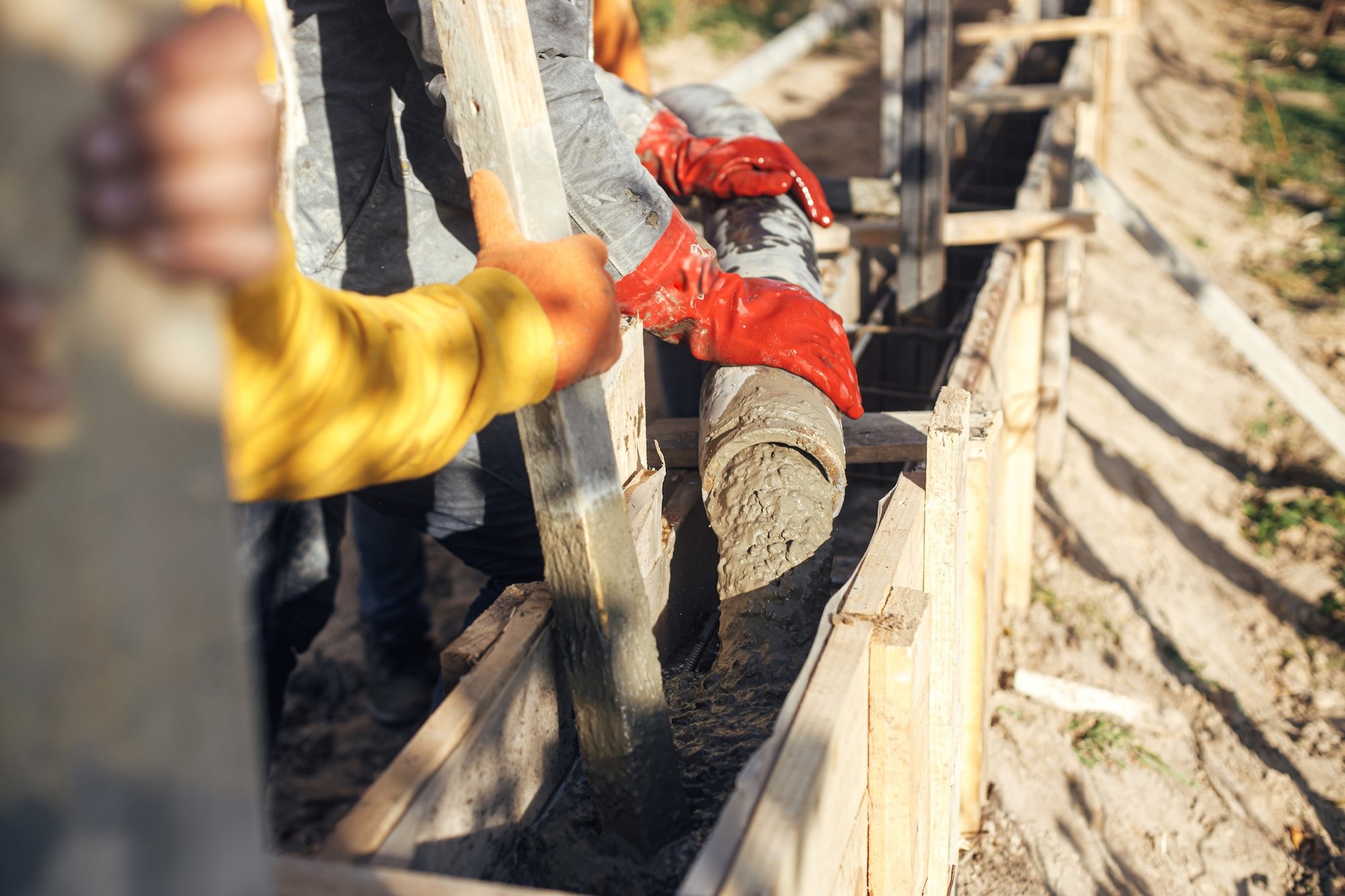
Fly ash and slag cement are practical tools for improving Michigan concrete performance. Both materials contribute to long-term strength gain and reduced permeability when properly proportioned and cured. Fly ash is widely available across Michigan and is used routinely in flatwork, pavement, and structural applications. Mixes containing SCMs require careful curing management because early strength development is slower than that of straight Portland cement mixes, and the surface remains more vulnerable to damage if curing is cut short.
How to Access MCA Mix Design Resources
MCA's technical resources and training programs are available to members and, in many cases, to industry professionals across Michigan's concrete community. The best starting point depends on what you need.
For technical publications and standards guidance, visit the MCA resources page to explore what is currently available. For training and certification programs tied to mix design quality control, including ACI field testing technician certification, visit the MCA training center for current schedules and program details. For members seeking to stay current on specification changes and industry updates affecting mix design requirements in Michigan, MCA member communications are the most direct channel.
If you have a specific technical question or are looking for guidance on a particular application, MCA's network of industry contacts and technical advisors is one of the benefits of membership. Contact MCA or explore membership options to get connected.
Frequently Asked Questions About Concrete Mix Design in Michigan
What air content should Michigan exterior concrete be designed to?
For most exterior flatwork and pavement in Michigan exposed to freezing, thawing, and deicing chemicals, a total air content of 5% to 7% is the standard target for mixes with 3/4-inch maximum aggregate. Always confirm the applicable specification before batching, as project requirements may set tighter parameters.
Can fly ash mixes be used for Michigan winter work?
Yes, but with additional planning. Fly ash mixes gain strength more slowly than straight Portland cement mixes, particularly at lower temperatures, so protection periods must be extended and traffic loadings delayed until adequate strength is confirmed. Fly ash is not inappropriate for cold weather work, but it requires a more disciplined approach to protection and curing than a straight cement mix.
Where can Michigan contractors access ACI certification for concrete mix design and quality control?
MCA coordinates ACI certification training and testing in Michigan for roles including concrete field testing technician and flatwork finisher. Visit the MCA training center for current program schedules and registration.
How does MCA support ready-mix plant operators on mix design compliance?
MCA provides technical guidance resources, monitors MDOT and industry specification updates, and maintains connections with EGLE and other agencies whose requirements affect plant operations. Members receive direct communications when changes occur that affect mix design obligations.
Start with the Right Mix
Concrete that is designed correctly for Michigan conditions, placed with discipline, and cured properly does not require early repair. It earns its full service life and reflects well on everyone involved in the project. MCA's resources, training programs, and member network exist to help Michigan's concrete professionals build that foundation on every job.