
Concrete Technical Support Resources
A specific question the morning of a placement, a cracking pattern that needs an explanation, and a mix design that has to hold up against Michigan's freeze-thaw conditions. Technical problems in concrete work are specific, time-sensitive, and sometimes costly to get wrong.
MCA has built this page as a practical starting point for Michigan's concrete professionals. What follows covers mix design and specification references, field troubleshooting organized by problem type, certification and training pathways, quality control guidance, and the industry standards used every day on Michigan projects. Use the sections below to find what you need.
Mix Design and Specification Guidance
Getting the mix right before the truck arrives prevents a long list of problems on the slab. MCA connects Michigan professionals with resources tied to industry standards, state-specific conditions, and application-specific guidance.
What you'll find here:
- Guidance on water-cement ratios and durability requirements for Michigan's freeze-thaw climate
- Resources tied to MDOT and ACI specification standards
- Best practices for admixture use, including air entrainment requirements for exposed flatwork
Why Michigan's Climate Creates Unique Spec Demands
Concrete placed in Michigan needs to hold up against repeated freeze-thaw cycles, deicing salts, and significant seasonal temperature swings. Specifications that work in moderate climates may fall short here. MCA's technical resources reflect the real conditions Michigan contractors and producers are working with, not a generic national baseline.
Two reference documents set the foundation for structural concrete compliance in Michigan: ACI 318, which establishes the Building Code Requirements for Structural Concrete, and ACI 301, which governs Specifications for Structural Concrete. These standards align with the broader federal framework for construction materials research maintained by the National Institute of Standards and Technology, the U.S. government body responsible for measurement standards and materials science that underpins safe building practice across the country. The specifications and mix design guidance covered on this page reflect those established standards as they apply to Michigan conditions.
Field Troubleshooting: Common Concrete Problems
Even experienced crews run into placement and finishing challenges. The resources in this section are organized around the most common issues reported by Michigan concrete professionals. Reminder: MCA membership includes project specific technical assistance and onsite visits as needed.

Surface and Finishing Issues
- Scaling: Often linked to inadequate air content, excessive finishing before bleed water evaporates, or improper curing. Michigan's deicing salt exposure accelerates surface deterioration when these conditions exist.
- Cracking: Early-age cracking can result from rapid evaporation, inadequate curing, excessive shrinkage, or subbase movement. Structural cracking requires engineering review.
- Discoloration: Caused by inconsistent water additions, variable curing conditions, calcium chloride use, or carbonation. Finishing practices and ambient conditions both play a role.
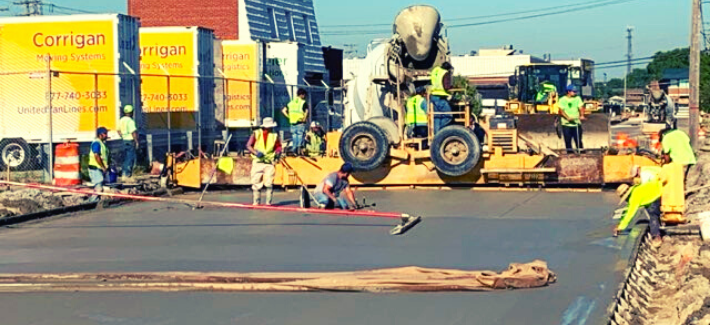
Placement and Consolidation Problems
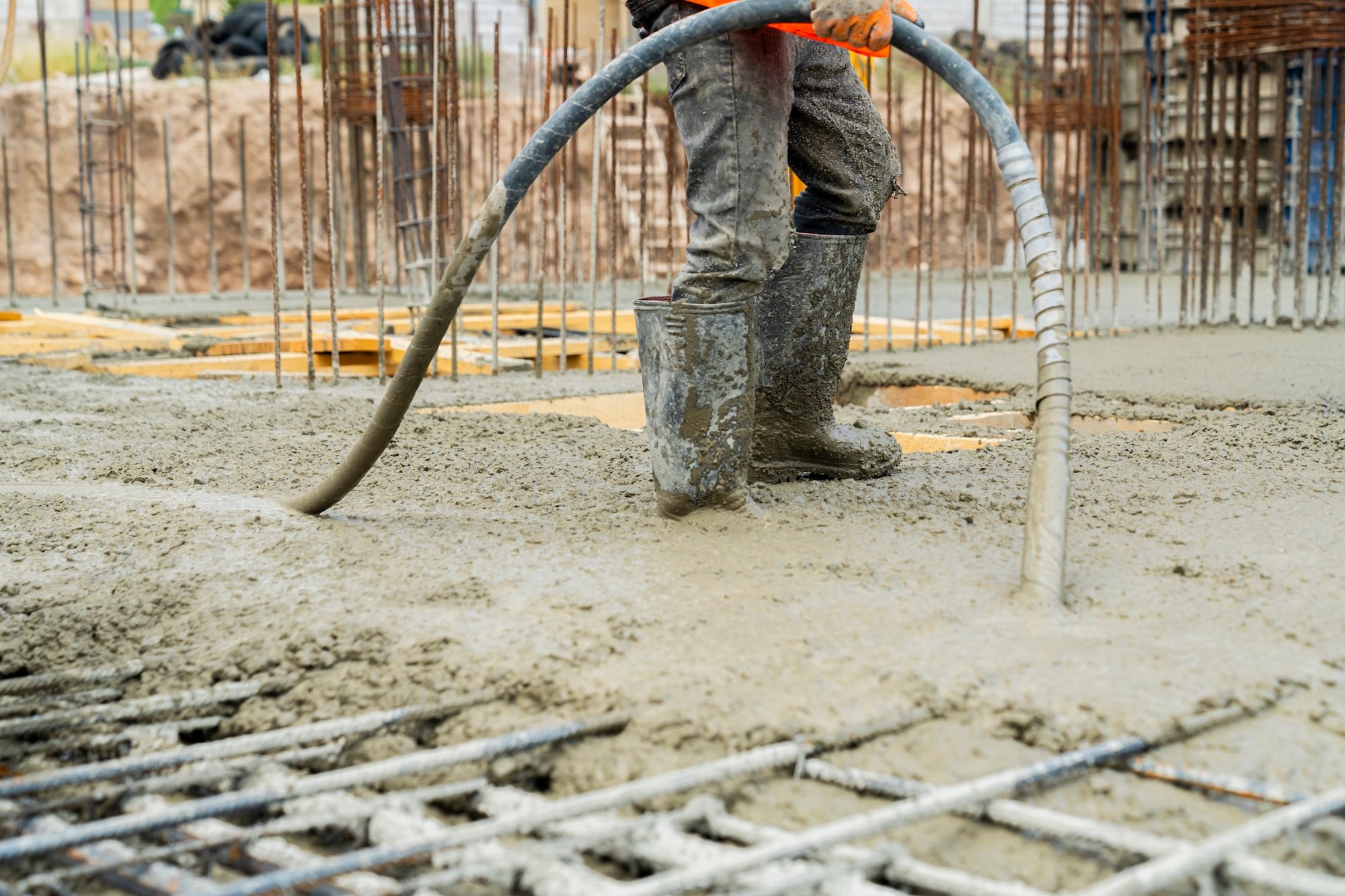
- Honeycombing: Insufficient consolidation, particularly around rebar congestion or at form edges. Vibrator placement and frequency matter.
- Cold joints: Time gaps between pours, delayed placement, or set acceleration in warm conditions. Coordination and planning reduce the risk.
- Bleeding and segregation: Linked to mix proportioning, water content, or pump line issues on high-slump mixes.
When a problem goes beyond standard troubleshooting, MCA's member network can help connect you with the right technical expertise. Contact MCA for direct assistance.
Certification and Training Resources
Technical knowledge is built over time. MCA provides the training and certification pathways that support career development and compliance across the Michigan concrete industry.
Available Certification Programs
MCA offers access to certification programs recognized across the industry. These include programs for concrete field testing technicians, flatwork finishers, and other roles where documented competency matters to project owners, general contractors, and spec compliance requirements.
- View Training and Certification for current offerings, schedules, and registration
- Certification supports compliance, crew development, and professional credibility on commercial and public projects
Who Benefits from MCA Certification
Ready-mix producers, concrete contractors, flatwork crews, and inspectors working on MDOT or municipal projects increasingly need documented technician qualifications. MCA training programs meet those requirements and reflect current industry standards.
Staying current with certification requirements matters more now than it did a decade ago. Project owners, general contractors, and public agencies are increasingly writing technician qualification requirements directly into project specs. Having certified crew members on-site is no longer optional on many jobs. It is the baseline. Beyond compliance, certification builds internal consistency. When technicians are trained against the same standards, field decisions become more predictable, and quality control is easier to manage across projects and crews.
Concrete Quality Control and Testing
Quality control in concrete work is not a final inspection step. It runs through every stage of the process, from material verification at the plant to field testing at the point of placement. Getting it right requires knowing which tests to run, when to run them, and what the results actually mean.
Standard Field Tests Michigan Professionals Rely On
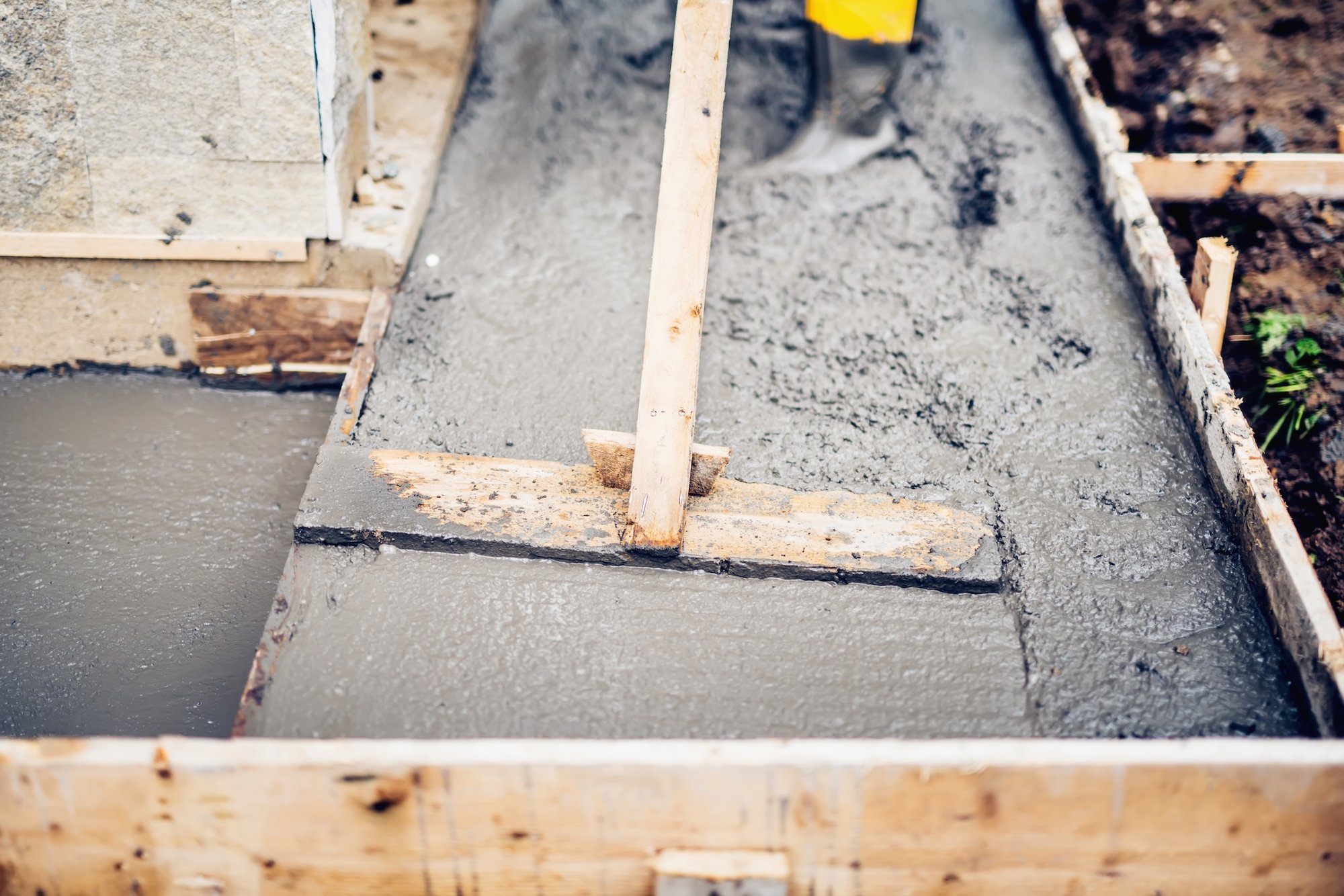
The most common field tests used on Michigan concrete projects cover fresh concrete properties at the time of placement. These include:
- Slump test (ASTM C143): Measures workability. Deviations from the specified range can signal water additions, mix changes, or delivery time problems.
- Air content test (ASTM C231 or C173): Critical for freeze-thaw durability. Michigan's exposure conditions make air entrainment a non-negotiable on most exterior applications.
- Concrete temperature: Affects set time, strength gain, and finishing window. Especially relevant during Michigan's cold and hot weather placements.
- Unit weight (ASTM C138): Used to verify mix proportions and catch significant deviations from the approved design.
- Compressive strength cylinders (ASTM C31/C39): Cast at the point of placement and cured under controlled conditions to verify structural compliance.
When Field Results Raise Questions
A test result outside the specification range is not always a failed load. Context matters. Ambient temperature, transport time, testing technique, and cylinder curing conditions all affect outcomes. Michigan contractors and producers benefit from understanding how to interpret results, not just record them. MCA's training programs and member resources support that deeper technical understanding.
Technical Guidance for Specific Concrete Applications
Different applications carry different performance requirements. The resources below are organized by concrete type and end use.
Pavements and Flatwork
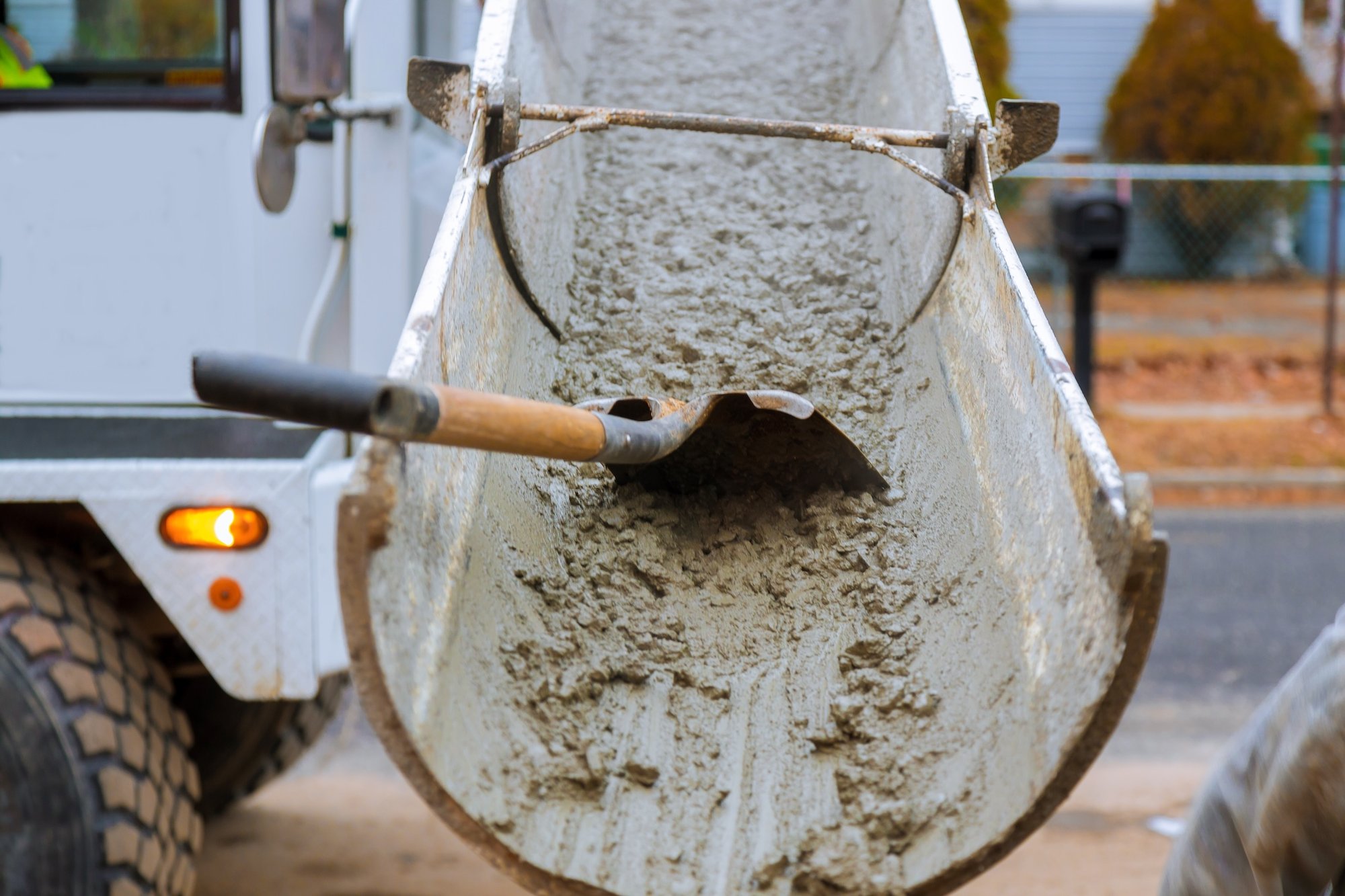
Concrete pavement design, joint spacing, thickness, and mix requirements for driveways, parking lots, and roads follow application-specific standards. MCA connects Michigan pavers and engineers with current guidance on:
- Residential and commercial flatwork best practices
- Pavement thickness and reinforcement design
- Joint layout and timing for crack control

Structural Concrete
Structural applications require compliance with ACI 318 and project-specific specifications. MCA supports the engineering and contractor community through education and access to updated technical standards.
Decorative and Architectural Concrete
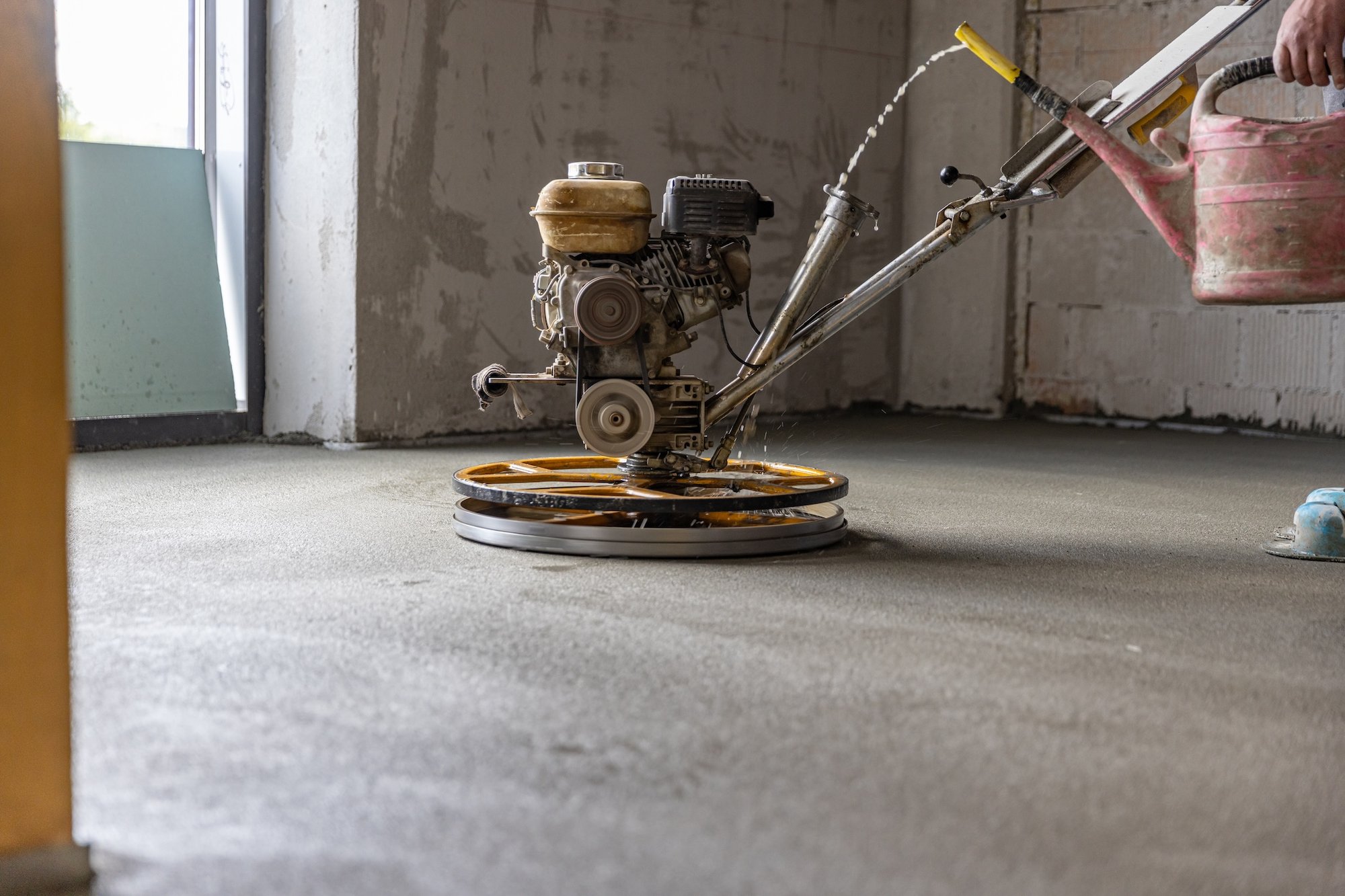
Colored, stamped, exposed aggregate, and polished concrete require specialized knowledge around mix design, surface prep, and finishing. MCA resources help professionals understand the technical requirements behind decorative results that hold up over time.
Industry Standards and Reference Documents
Strong technical decisions start with the right reference materials. MCA helps Michigan professionals stay current with the standards that govern concrete design, testing, and construction.
Key references used by Michigan concrete professionals include the following:
- ACI 301 — Specifications for Structural Concrete
- ACI 305R — Guide to Hot Weather Concreting
- ACI 306R — Guide to Cold Weather Concreting
- ASTM C150 — Standard Specification for Portland Cement
- ASTM C94 — Standard Specification for Ready-Mixed Concrete
- MDOT Standard Specifications — Applicable to MDOT-funded projects in Michigan
Explore resources for additional references and support materials available through MCA.
Frequently Asked Questions About Concrete Technical Support
Where can I find concrete troubleshooting guidance for Michigan projects?
MCA provides access to technical resources relevant to Michigan's climate, construction conditions, and industry standards. This page serves as a starting point. MCA members also have access to peer networks and industry experts who can help work through specific field problems.
Does MCA offer direct technical consulting for contractors?
MCA is an industry association and education resource, not an engineering consultancy. For project-specific engineering decisions, licensed structural or civil engineers should be engaged. MCA can help connect you with the right professional resources and industry contacts.
What concrete certifications are recognized in Michigan?
Several certification programs are recognized across Michigan for technicians, finishers, and inspectors. MCA offers training programs and can help identify which certifications are required for specific project types or owner requirements. Check out the MCA certification page for current program details.
How does Michigan's climate affect concrete mix requirements?
Michigan's freeze-thaw cycles and deicing salt exposure make air entrainment a standard requirement for exposed flatwork and pavement. Low water-cement ratios, adequate cover over reinforcement, and proper curing are also critical to long-term durability in Michigan conditions. MCA resources reflect these local realities.
How do I become an MCA member?
MCA membership is open to ready-mix producers, contractors, suppliers, engineers, and other concrete industry professionals in Michigan. Learn more about membership and the resources available to members.
Find the Resources, Training, and Guidance You Need to Build with Confidence
MCA connects Michigan's concrete industry through education, technical guidance, and advocacy. Whether you are looking for certification programs, field troubleshooting support, or mix design references, MCA provides the resources to support better decisions and better builds.