
Concrete Parking Lots in Detroit: What Property Owners Should Know
Detroit property owners face unique challenges when planning, maintaining, or replacing parking lots. Heavy traffic, aging infrastructure, repeated freeze-thaw cycles, and winter maintenance all place long-term stress on paved surfaces.
This page was created by the Michigan Concrete Association to help Detroit-area property owners better understand how concrete parking lots perform in local conditions, how costs are evaluated over time, and what factors matter most when planning a replacement or new installation.
Rather than focusing on individual vendors or projects, this resource provides education-first guidance to support informed decision-making before contractor conversations begin.
There is no single “best” material for every site in Detroit, but material selection should be driven by use, traffic, climate exposure, and long-term ownership goals rather than upfront cost alone.
Detroit parking lots commonly experience:
- High daily vehicle volume
- Heavy service and delivery traffic
- Snow plowing and deicing operations
- Repeated freeze-thaw cycles
- Long ownership horizons for commercial and institutional properties
Concrete is often evaluated for Detroit parking lots because it provides:
- Structural rigidity for heavy loads
- Predictable long-term performance
- Reduced surface deformation
- Fewer recurring maintenance cycles
Asphalt may still be appropriate for certain short-term or budget-driven applications. However, many Detroit property owners reassess asphalt after experiencing frequent repairs, patching, and resurfacing over time.

How Much Does a Concrete Parking Lot Cost in Detroit, MI?
Concrete parking lot costs in Detroit vary based on several factors, including project size, slab thickness, subbase conditions, and site access.
Common cost drivers include:
- Removal of existing pavement
- Subbase preparation and drainage
- Reinforcement and joint layout
- Traffic load requirements
- Phased construction needs
In urban environments like Detroit, repeated asphalt repairs and resurfacing can add significant cumulative cost. Concrete’s longer service life and reduced maintenance frequency are often key considerations in cost evaluations.
For a detailed breakdown of upfront cost ranges, maintenance expectations, and lifecycle comparisons, refer to:
What’s the Process for Replacing Asphalt With Concrete?
Replacing an existing asphalt parking lot with concrete is a common scenario in Detroit, particularly for properties dealing with recurring surface failures.
The process generally includes:
- Removal of the existing asphalt surface
- Evaluation and preparation of the subbase
- Drainage planning to manage surface and subsurface water
- Concrete placement with appropriate thickness and jointing
- Curing before reopening to traffic
Concrete installation typically takes slightly longer than asphalt installation, but many Detroit projects are completed in phases to minimize disruption and maintain access during construction.
While the upfront timeline may require additional planning, many owners factor this into the decision in exchange for longer service life and fewer future disruptions.
Can Concrete Handle Detroit’s Winter Freeze-Thaw Conditions?
Detroit sees frequent freeze-thaw cycles, heavy traffic, and heavy salt use. Water infiltration, freezing temperatures, snow plowing, and deicing salts all impact pavement performance.
Concrete parking lots designed for Detroit conditions account for:
- Proper joint spacing to control movement
- Drainage systems that limit water retention
- Air-entrained concrete mixes suitable for cold climates
- Surface finishes that support winter operations
When these factors are addressed, concrete performs reliably through Detroit’s seasonal temperature swings. In many cases, concrete surfaces experience less surface distress than asphalt under similar conditions.
Winter performance depends as much on design and installation quality as it does on material selection.
What Are Local Regulations for Parking Lot Paving in Detroit?
Parking lot projects in Detroit must comply with a combination of local, state, and federal requirements.
Common regulatory considerations include:
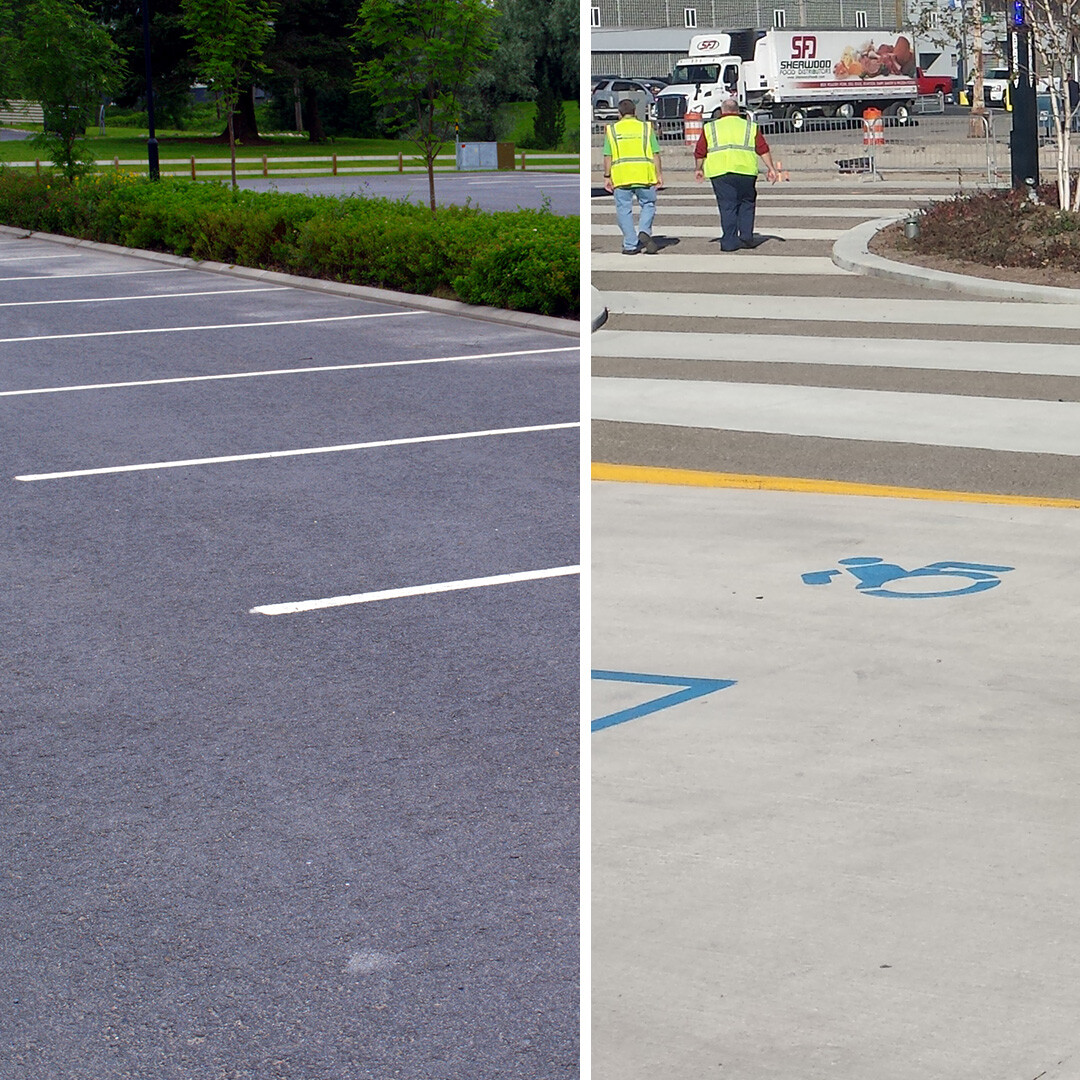
- ADA-compliant slopes, access routes, and striping
- Stormwater management and drainage
- Zoning and site plan approvals
- Snow storage and circulation planning
Concrete parking lots are often designed to meet these requirements over long service lives, particularly for schools, hospitals, churches, municipal buildings, and commercial plazas.
Because requirements can vary by site and jurisdiction, many property owners begin with a statewide understanding before reviewing city-specific considerations.
To explore broader planning guidance, visit:
How Should Detroit Property Owners Evaluate Parking Lot Options?
Choosing a parking lot material is not just a construction decision. It affects maintenance budgets, tenant experience, and operational continuity.
Concrete may be considered when:
- Long-term ownership is planned
- Heavy or consistent traffic is expected
- Maintenance disruption needs to be minimized
- Predictable lifecycle costs are important
Asphalt may be considered when:
- Shorter service life is acceptable
- Faster installation is required
- Budget constraints outweigh long-term maintenance considerations
There is no universal answer. The goal is to align material selection with how the property will be used over time.
Many Detroit-area businesses and institutions have transitioned to concrete after experiencing recurring maintenance issues with asphalt.
While every project is unique, common motivations include:
- Reducing long-term repair frequency
- Improving durability under heavy traffic
- Creating a more predictable maintenance schedule
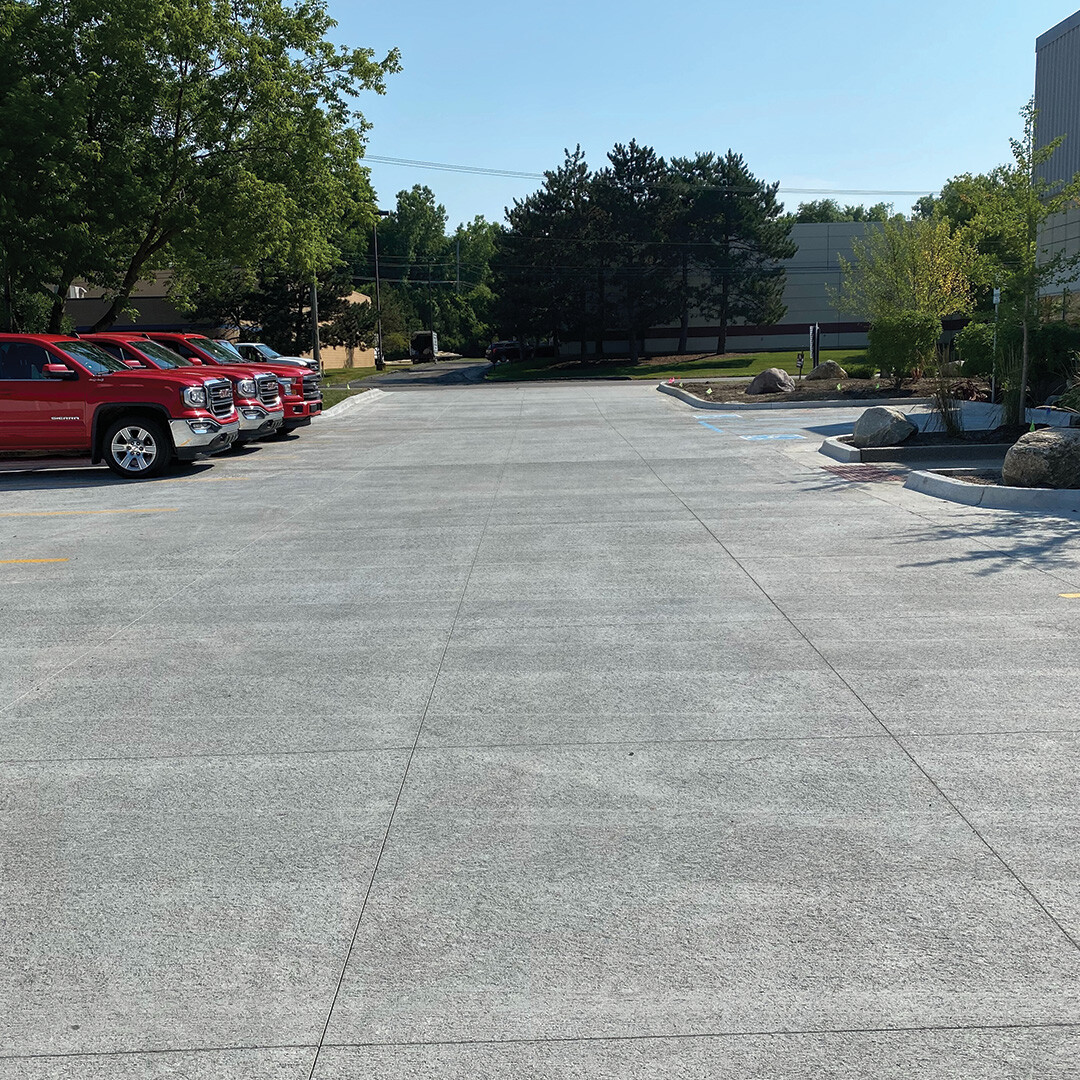
One local example is the St. Marys Cement Parking Lot in Detroit, a 2021 Michigan Concrete Award winner in the commercial parking lot category.
For more background on how concrete parking lots are planned and maintained, explore:
WHY CHOOSE CONCRETE FOR A DETROIT BUSINESS OR PROPERTY?
Concrete is often evaluated for Detroit parking lots because it aligns with long-term planning goals.
Benefits commonly considered include:
- Longer service life
- Reduced resurfacing needs
- Improved performance under heavy loads
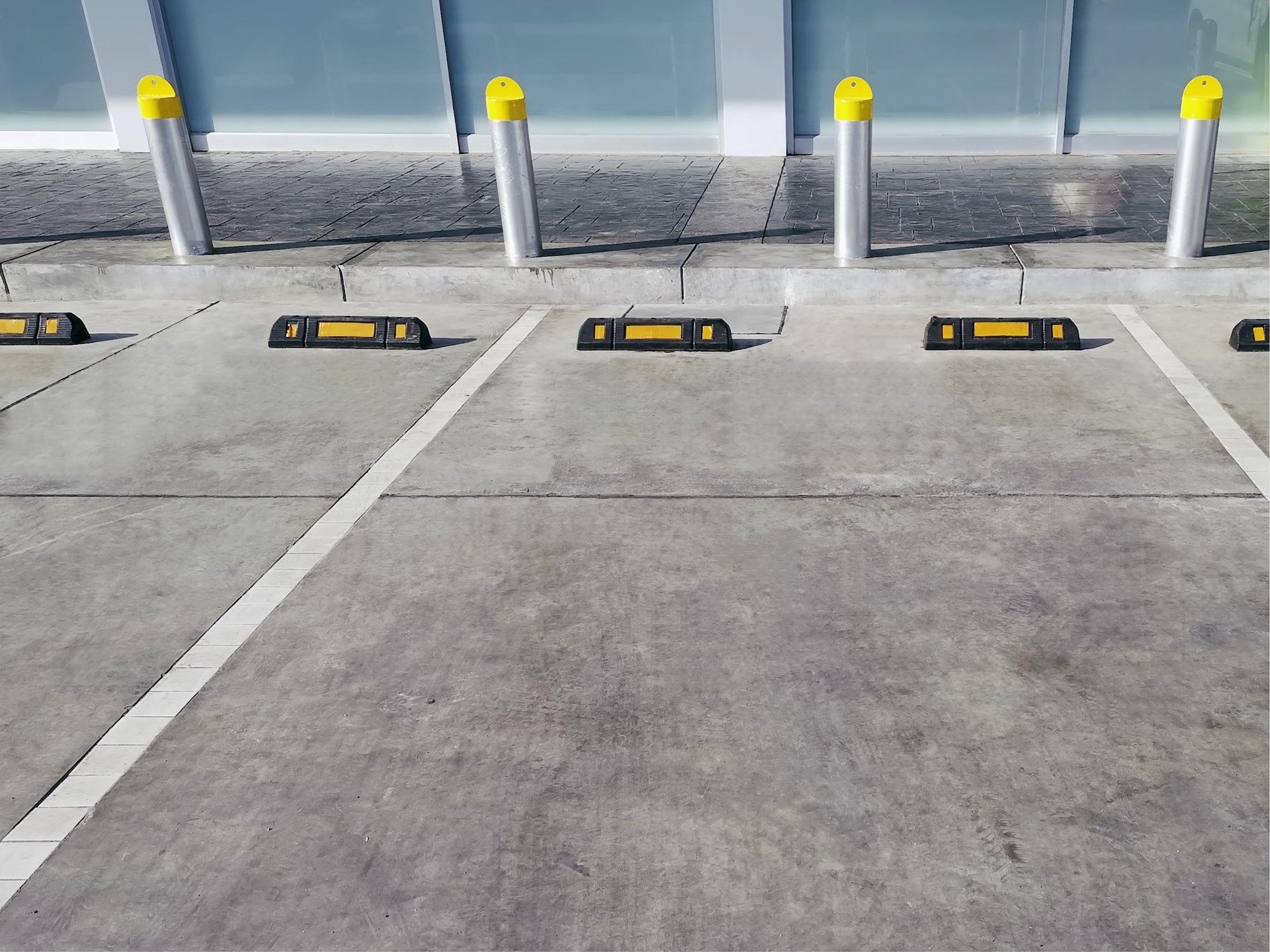
- Brighter surfaces that can enhance visibility
- Fewer maintenance interruptions over time
Concrete is not always the lowest-cost option upfront, but many Detroit property owners consider it a strategic investment rather than a short-term expense.
Explore MCA Member Companies
If you would like to continue your research or discuss how these considerations apply to a specific site, the Michigan Concrete Association maintains a statewide directory of member companies involved in the concrete industry.
Exploring member companies is optional and intended to support informed planning.
Frequently Asked Questions
Can you pour a concrete parking lot in winter in Detroit?
Concrete placement during winter months is possible with proper planning, temperature controls, and mix adjustments, but many projects are scheduled during warmer seasons for efficiency.
How long does a concrete parking lot last in Detroit?
When designed and constructed for local conditions, concrete parking lots in Detroit often provide 20–40 years of service.
Are concrete parking lots ADA-compliant in Michigan?
Concrete parking lots can be designed to meet ADA requirements for slopes, access routes, and striping when properly planned and installed.
Continue Exploring Parking Lot Resources
This page is part of a broader educational framework designed to help Michigan property owners make informed decisions.
Recommended next steps:
- Download the Michigan concrete vs asphalt cost guide
- Concrete Parking Lot Design Guide for Michigan
- Can concrete parking lots handle Michigan traffic and winters?
- Concrete vs asphalt for commercial parking lots in Michigan
- Explore statewide parking lot solutions
- Review common myths about concrete parking lots
- Browse all concrete parking lot resources