
Concrete Admixtures Guide for Michigan Projects
Most concrete failures in Michigan are not caused by bad materials. They are caused by good materials used without enough precision. A mix that performs well in May can set too fast in July, bleed excessively on a cold October morning, or lose workability before it reaches a jobsite thirty miles from the plant. Admixtures exist to close those gaps, giving contractors and plant operators real control over how concrete behaves from the moment it leaves the drum to the moment it reaches design strength.
Understanding which admixture to use, at what dosage, and under what conditions is not a specialty skill reserved for engineers. It is practical field and plant knowledge that directly affects project outcomes, schedule reliability, and long-term concrete performance on every pour. The Michigan Concrete Association provides the technical guidance, training, and industry resources Michigan's concrete professionals need to make those decisions with confidence, whether you are specifying for a demanding commercial application, troubleshooting a workability issue on site, or managing mix design across a full production season
What Are Concrete Admixtures?
Concrete admixtures are chemical or mineral materials added to a concrete mix during or immediately before batching to modify one or more properties of the fresh or hardened concrete. They are not a replacement for sound mix design. They are a precision tool used within a properly proportioned mix to achieve specific performance outcomes that the base ingredients cannot deliver alone.
Admixtures can alter workability, control set time, improve durability, reduce water content, enhance strength development, or protect against freeze-thaw damage. The Federal Highway Administration recognizes admixtures as a critical component of durable concrete pavement design, particularly in climates where temperature variation and freeze-thaw cycles place significant stress on concrete structures. In Michigan, those conditions apply to nearly every project type across the construction season, making admixture knowledge a practical necessity rather than a specialty topic.
Common Types of Concrete Admixtures
Admixtures are grouped by their primary function. Understanding what each category does and where it is most commonly applied is the foundation for making informed mix design and field decisions.
Water Reducers
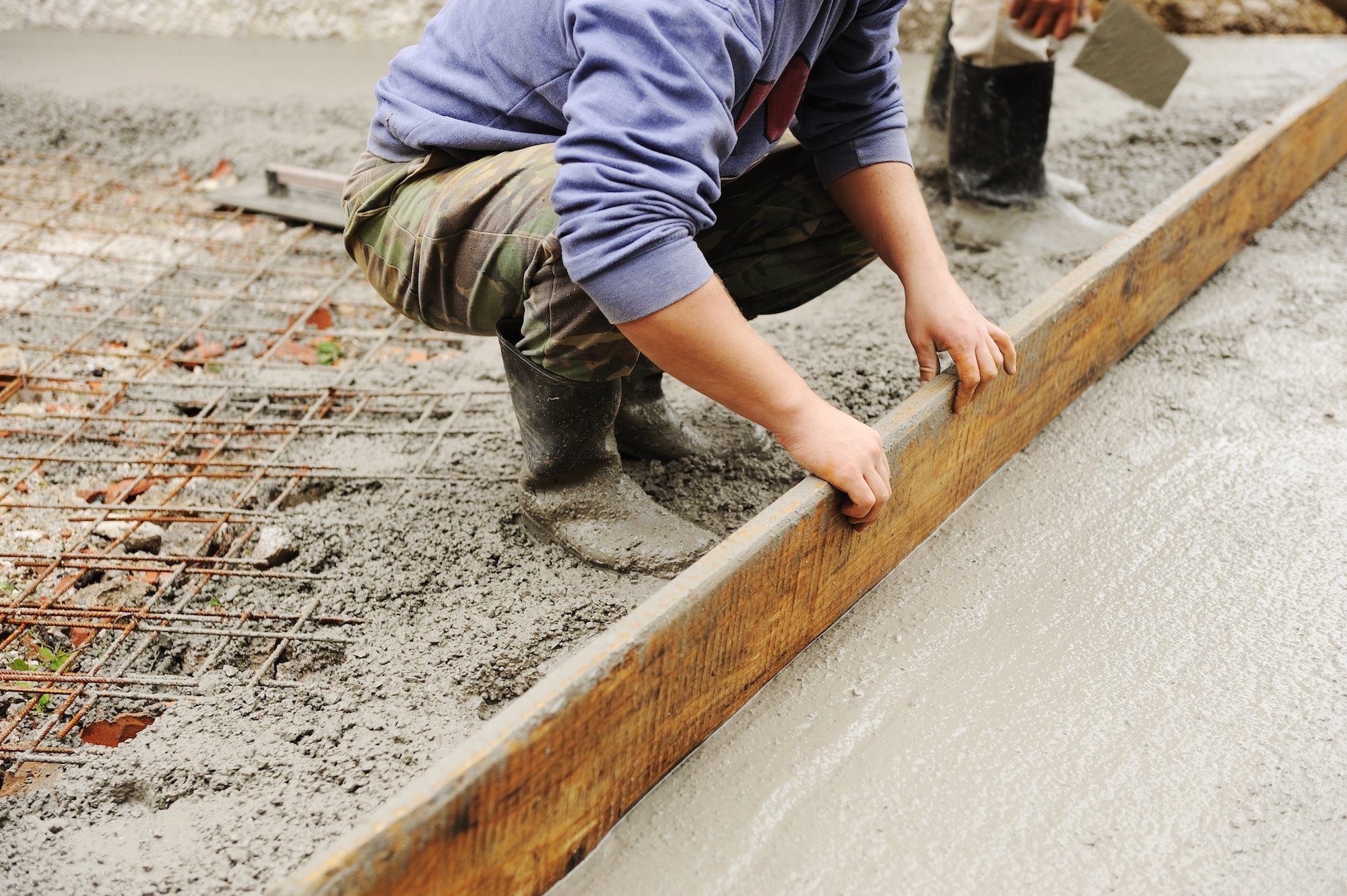
Water reducers, also called plasticizers, allow a mix to achieve target workability at a lower water-to-cementitious materials ratio than would otherwise be required. Reducing water content without sacrificing workability improves concrete strength, reduces permeability, and enhances long-term durability. Mid-range and high-range water reducers, commonly called superplasticizers, provide more significant workability gains and are widely used in high-performance applications where both flowability and low water content are required simultaneously.
Water reducers are governed by ASTM C494 and are among the most commonly specified admixtures in commercial and infrastructure concrete throughout Michigan. Contractors working on flatwork, pavements, and structural pours will encounter water reducer specifications on most commercial projects, and understanding the dosage limits and compatibility requirements is essential for consistent results. Additional guidance on how water content decisions intersect with mix design is available through the MCA resource on concrete mix design in Michigan.
Accelerators
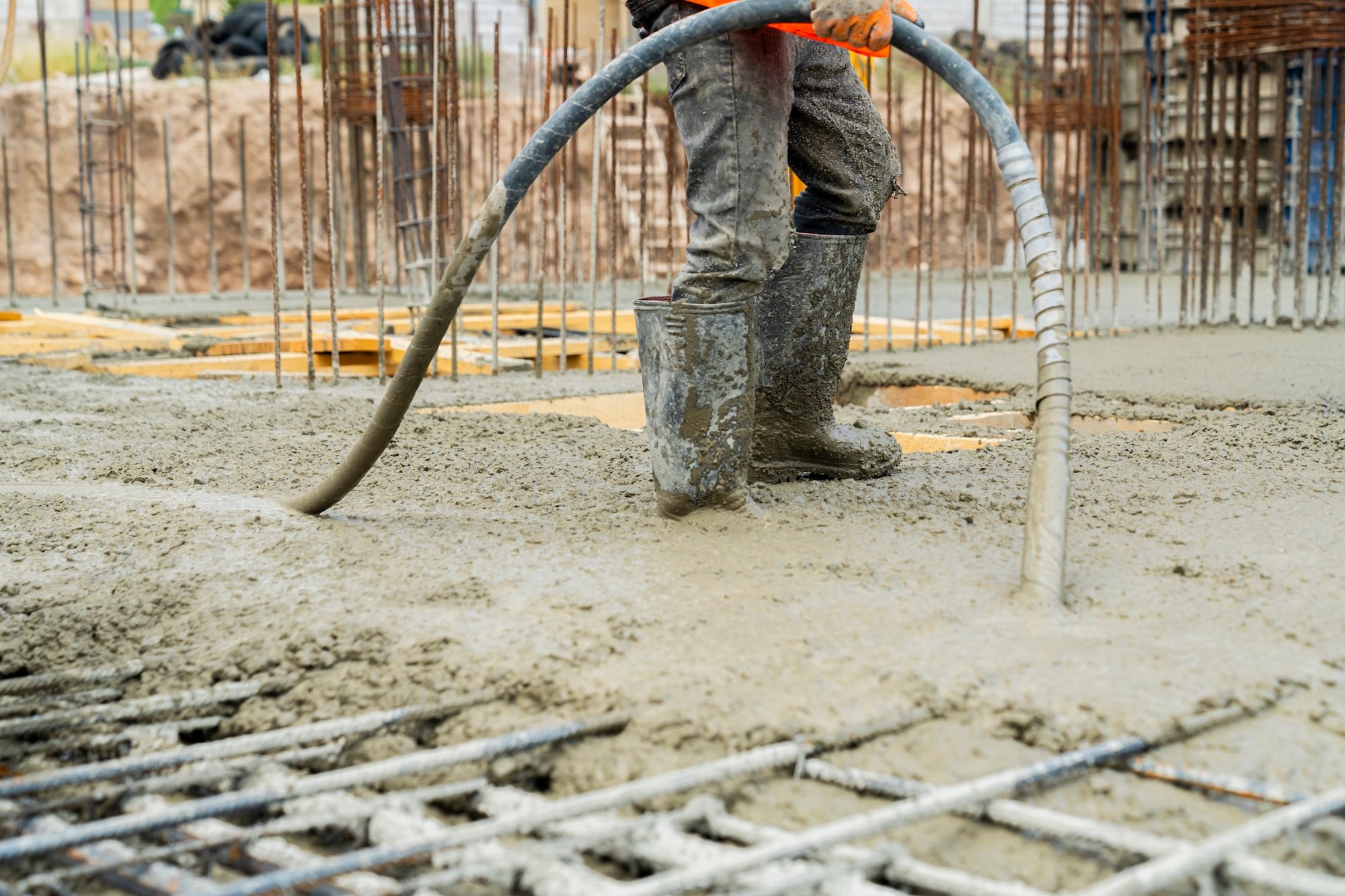
Accelerating admixtures speed up the rate of hydration, which increases the rate of strength gain and shortens the set time. They are most commonly used in cold weather concreting when low temperatures slow hydration to the point where adequate early strength development cannot be reliably achieved and when project schedules require faster form stripping or earlier loading.
Calcium chloride is the most widely recognized accelerator and the most effective in terms of performance, but its use is restricted or prohibited in reinforced concrete applications because of the risk of chloride-induced corrosion of embedded steel. Non-chloride accelerators are the standard choice for reinforced and prestressed concrete, and understanding the distinction matters for any contractor specifying or placing structural concrete in Michigan.
Retarders
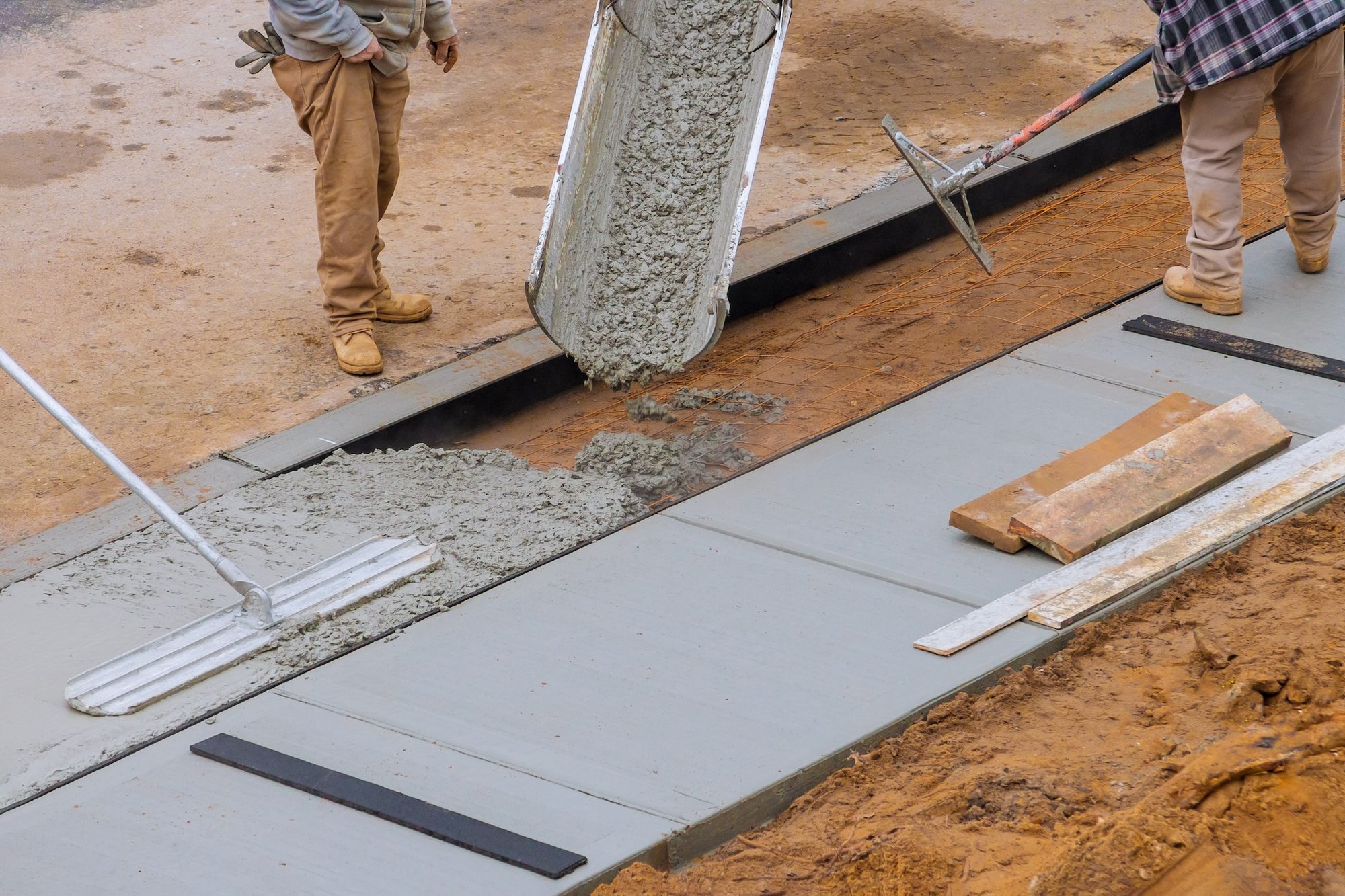
Retarding admixtures slow the rate of hydration and extend the time before the initial set occurs. They are commonly used during hot weather placements, on large pours where extended working time is needed to avoid cold joints, and on projects where concrete must travel long distances between the plant and the placement site.
In Michigan's summer months, retarders play an important role in maintaining workability and preventing premature stiffening during transport and placement. Retarders also find application in architectural concrete, where surface finishing requires extended open time, and in pavement construction, where large pours need consistent placement windows. Like accelerators, retarders are covered under ASTM C494 and must be selected and dosed carefully to avoid over-retardation, which can delay form stripping and extend project timelines unnecessarily.
Air-Entraining Admixtures
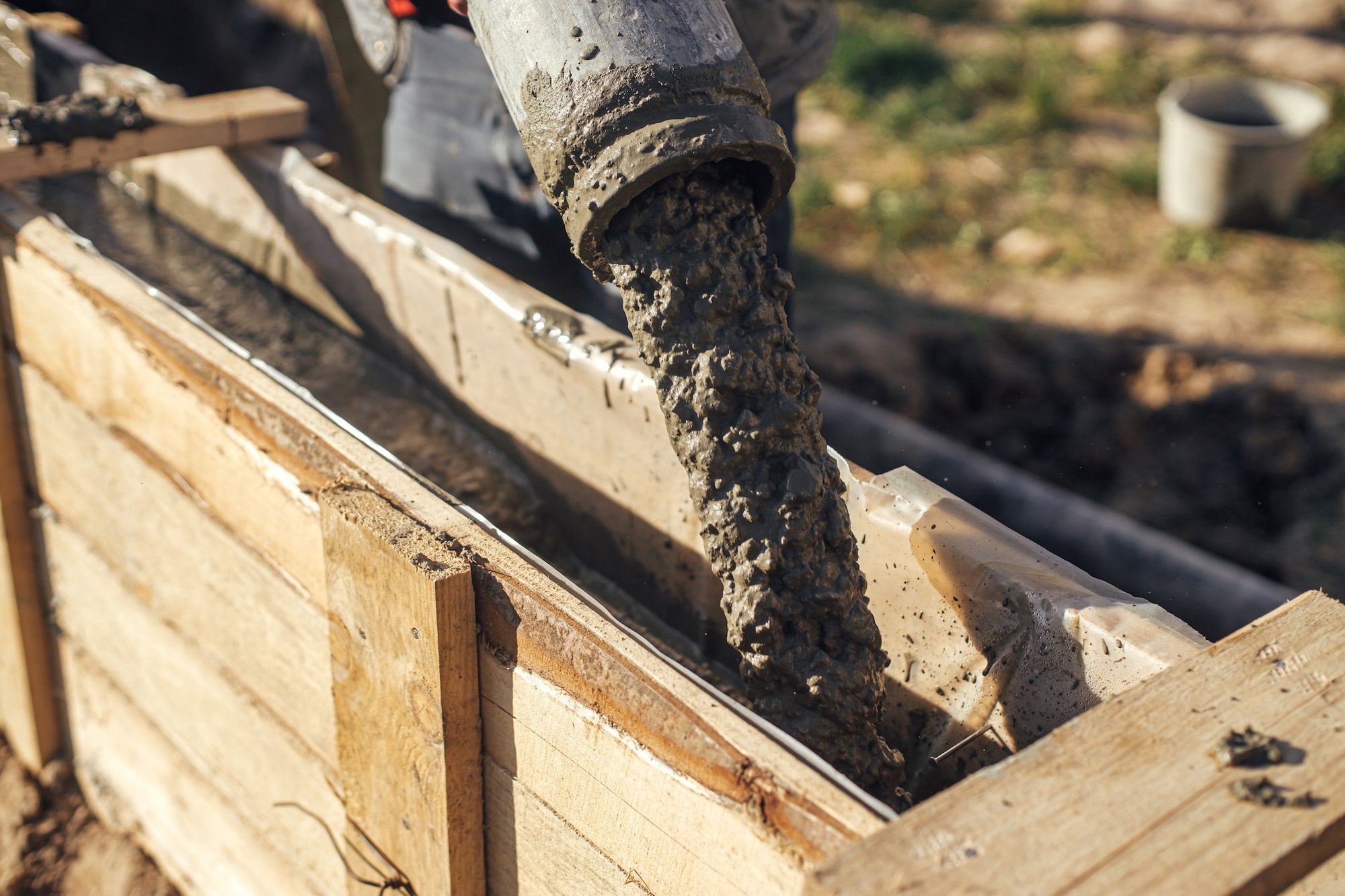
Air-entraining admixtures introduce a controlled network of microscopic air bubbles into the concrete matrix. This entrained air provides space for water to expand when it freezes, which significantly reduces internal pressure and protects concrete from the scaling and cracking that result from freeze-thaw cycling.
For Michigan projects, air entrainment is not optional on exposed flatwork and pavement. MDOT specifications and ACI guidelines both call for specific air content ranges based on aggregate size and exposure conditions, and achieving those targets consistently requires proper admixture selection, accurate dosing, and attention to mixing time. Scaling on inadequately air-entrained flatwork is one of the most common concrete durability failures in Michigan, and the relationship between admixture use and scaling risk is covered in the MCA resource on concrete scaling.
Choosing the Right Admixture for Michigan Conditions
No admixture decision should be made in isolation. The right product depends on the mix design, the cementitious materials used, the ambient and concrete temperature at placement, the delivery distance, the finishing requirements, and the exposure conditions the hardened concrete will face.
Michigan contractors working with Portland limestone cement mixes should be aware that PLC can interact differently with some admixture types than traditional Portland cement, particularly with respect to set time and water demand. MCA's guidance on Portland limestone cement covers those compatibility considerations.
Cold weather pours often require accelerators and insulating protection used together, not as alternatives. Hot weather pours may require a retarder combined with chilled mix water or ice replacement. High-performance structural mixes may call for a high-range water reducer alongside supplementary cementitious materials. In each case, the admixture is one component of a coordinated approach to mix design and placement, not a standalone fix. Contractors seeking technical support for a specific project condition can access the MCA technical support hub as a starting point.
How MCA Supports Admixture Knowledge and Best Practices
The Michigan Concrete Association provides training, technical publications, and direct industry support to help contractors, plant operators, and project managers apply admixture knowledge correctly across all project types and conditions.
MCA training programs and webinars cover concrete mix design, admixture selection, cold and hot weather concreting, and related technical topics relevant to Michigan's construction environment. Upcoming sessions are listed at MCA webinars, and in-person training options are available through the MCA training center.
Professionals working toward or maintaining ACI certification will encounter admixture content as part of the core concrete knowledge base. Michigan-specific exam and testing information is available through MCA's ACI certification page.
MCA members receive direct access to technical staff, training discounts, and industry publications that keep crews and project managers current on evolving admixture standards and specifications. Non-members can access select resources through the MCA website and are encouraged to explore membership for full access.
Frequently Asked Questions
Can admixtures be combined in a single mix?
Yes, multiple admixtures are commonly used together, but compatibility between products must be confirmed before batching. Certain combinations can cause unexpected interactions that affect set time, air content, or workability. Admixtures should be added separately to the mix rather than pre-blended, and trial batches are recommended when using an unfamiliar combination for the first time.
When should a retarder be used instead of adjusting the mix water?
Adding water to extend workability increases the water-to-cementitious materials ratio, which reduces strength and increases permeability. A retarder achieves the same workability extension without the durability penalty. For any pour where working time is the concern, a retarder is the correct tool, not additional water.
Do admixtures affect ACI or MDOT compliance requirements?
Yes. MDOT specifications and ACI standards include requirements for admixture types, dosage limits, and testing. Contractors working on public projects or projects with a formal specification need to confirm that selected admixtures meet the applicable standard and that dosages fall within the approved range. MCA technical resources and training programs address compliance requirements as part of the broader mix design, and placement guidance.
Does MCA offer technical guidance on admixture selection for specific projects?
MCA members have access to technical staff who can provide guidance on admixture selection, mix design review, and project-specific concrete performance questions. Explore membership options or contact MCA directly through the website.
Access MCA Technical Resources
Admixture knowledge pays off on the first pour if it is applied correctly, and it compounds across every project that follows. Contractors who understand water reducers, accelerators, retarders, and air entrainment are not just solving immediate workability problems. They are producing concrete that performs better at 28 days, holds up through Michigan winters, and generates fewer callbacks, warranty claims, and repair conversations with owners and engineers.
The Michigan Concrete Association is built to support that level of practice. MCA brings together the technical standards, training programs, industry guidance, and direct access to expertise that Michigan's contractors, plant operators, and project managers need to keep concrete knowledge current and decisions grounded in real practice rather than guesswork.