
Concrete Curing Methods and Best Practices
Concrete can have irreversible damage if curing is handled carelessly. Michigan contractors, plant operators, and commercial project managers deal with one of the more demanding construction climates in the country, where temperature swings, freeze-thaw cycles, and fast-moving weather windows all put freshly placed concrete at risk before it ever reaches full strength. Getting the cure right is not a detail to delegate or rush. It is the decision that determines whether a slab meets its design life or starts showing problems within its first season.
The Michigan Concrete Association provides technical guidance, training, and industry resources to help concrete professionals apply curing methods correctly, match the right technique to the right conditions, and build from a foundation of current standards and proven practice. Whether you are managing a commercial pour, training a crew, or specifying for a public project, MCA connects Michigan's concrete industry with the knowledge needed to do it right.
Why Concrete Curing Matters
When concrete is placed, the cement paste begins a chemical reaction with water called hydration. This reaction is what gives concrete its strength, density, and durability. Curing is the process of maintaining adequate moisture and temperature in the concrete mass long enough for that reaction to complete fully.
Without proper curing, concrete loses moisture too quickly, hydration stops before strength development is complete, and the result is a weaker, more permeable slab. Surface cracking, dusting, scaling, and reduced freeze-thaw resistance are all common consequences of inadequate curing, especially in Michigan's climate, where temperature swings and cold winters put additional stress on freshly placed concrete. For a deeper look at how scaling develops and what conditions make Michigan slabs especially vulnerable, the MCA resource on concrete scaling covers the mechanics and prevention in practical detail.
Research supported by the Portland Cement Association confirms that properly cured concrete can achieve significantly higher compressive strength than concrete allowed to dry out prematurely. The difference is not minor. It affects long-term performance, maintenance costs, and service life.
Common Concrete Curing Methods
There is no single curing method that works best in every situation. The right approach depends on the project type, weather conditions, surface exposure, and timing. MCA technical resources help contractors and operators evaluate each option accurately. The full technical support hub is the starting point for guidance across mix design, placement, and curing.
Wet Curing
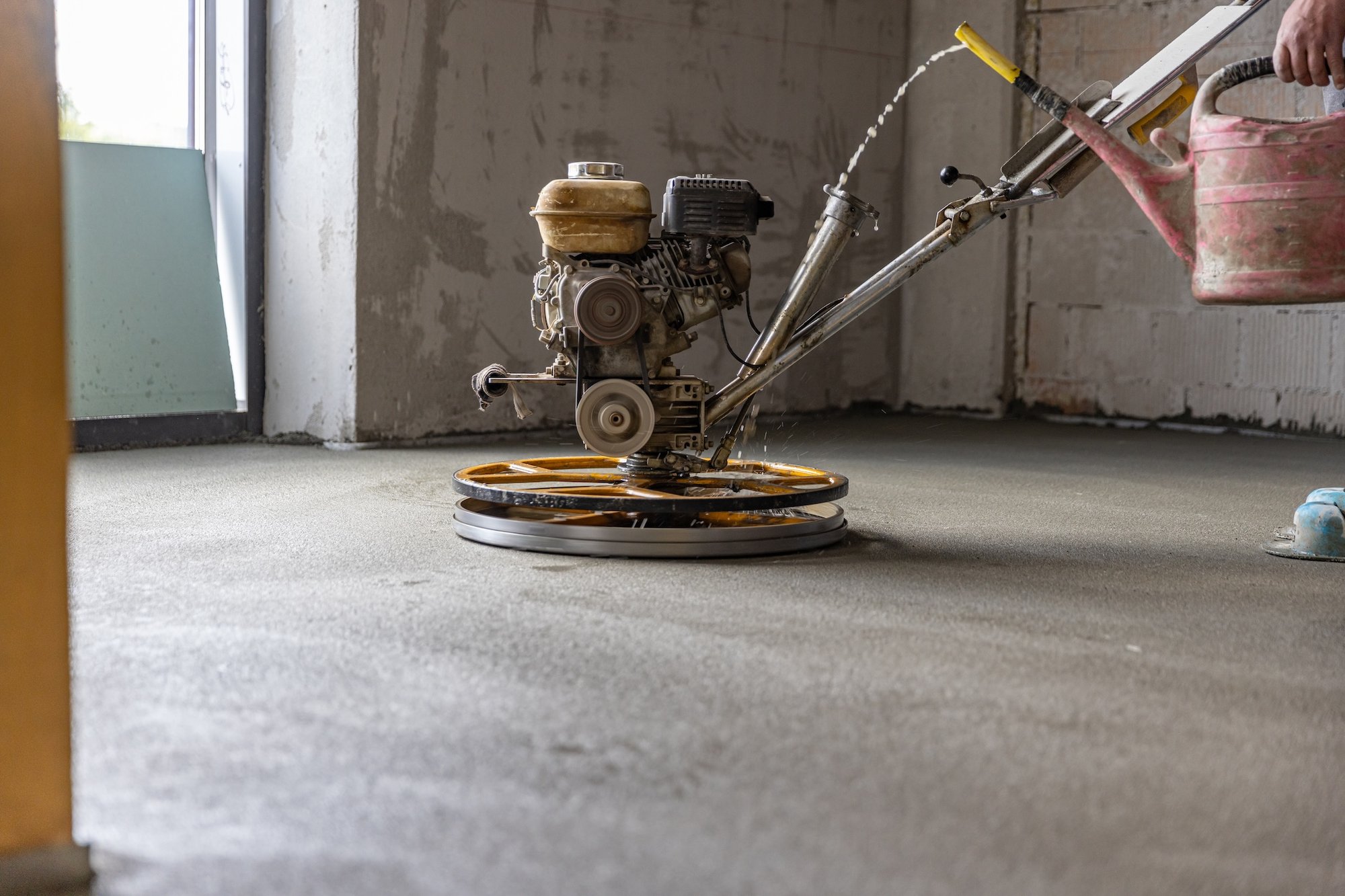
Wet curing involves keeping the concrete surface continuously moist throughout the curing period. Common approaches include covering the surface with wet burlap, cotton mats, or absorbent fabric and maintaining moisture through regular wetting. Ponding water on flatwork is another wet curing method used on horizontal slabs.
Wet curing is one of the most effective methods available. It provides a continuous supply of water to support hydration and prevents surface moisture from escaping into dry or windy conditions. The main limitations are labor and access to a water supply. Wet curing requires consistent attention, which makes it more demanding to manage on large commercial pours or in remote locations. Contractors working on flatwork applications can find additional placement and finishing resources through the MCA flatwork resource page.
Curing Compounds
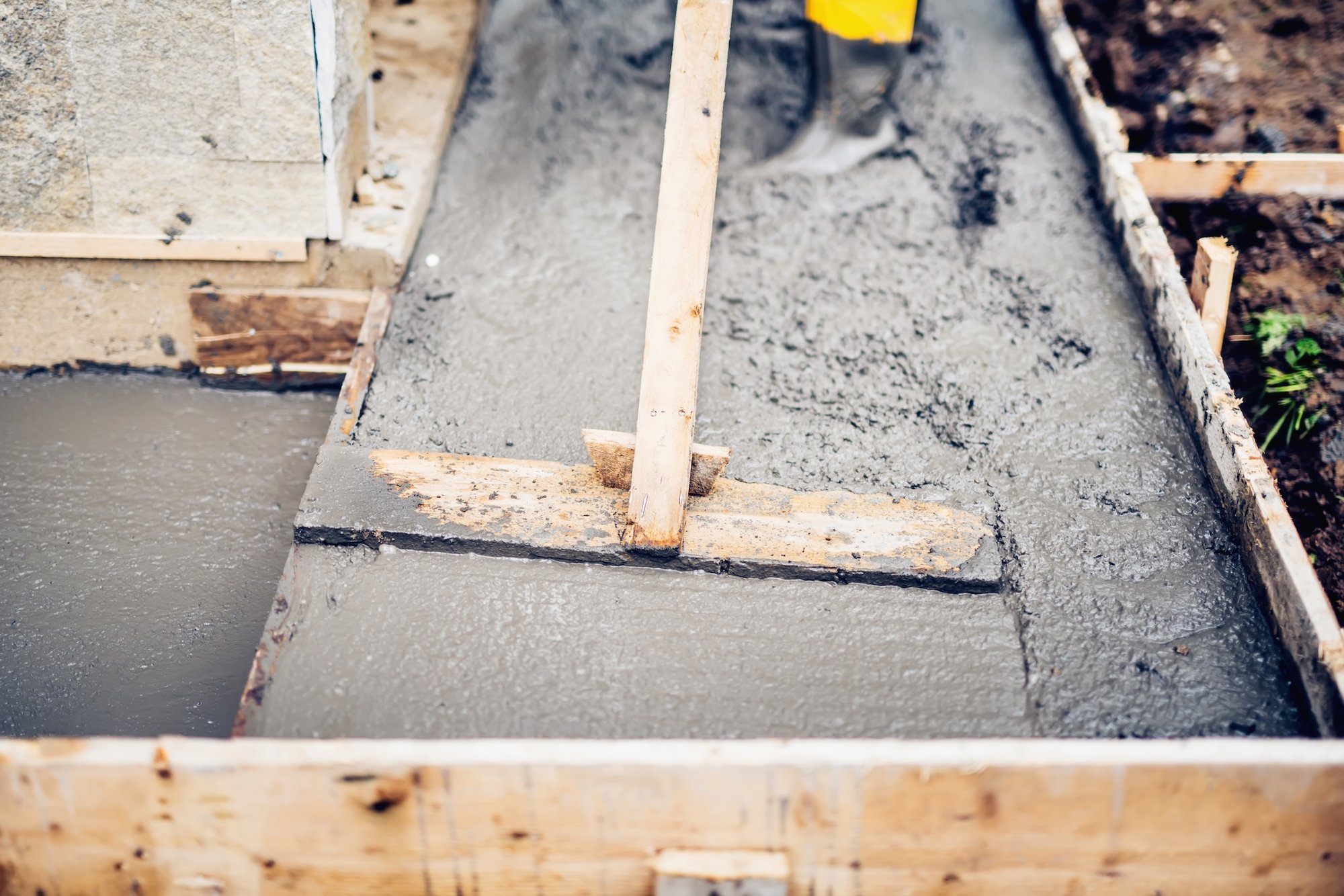
Curing compounds are liquid membrane-forming products applied to fresh concrete immediately after final finishing. As the compound dries, it forms a thin film that slows moisture evaporation from the surface and allows hydration to continue.
Curing compounds are widely used because they are fast to apply, require minimal labor after application, and are practical for large flatwork, pavement, and commercial slabs. ASTM C309 governs the performance requirements for liquid membrane-forming curing compounds, and understanding the difference between Type 1, Type 1-D, and Type 2 formulations matters when selecting the right product for a given exposure class or finish requirement.
One important consideration is that some curing compounds are not compatible with applied coatings, adhesives, or overlays. Contractors working on surfaces that will receive a topping slab or flooring system need to confirm compatibility before selecting a compound.
Blanket Curing
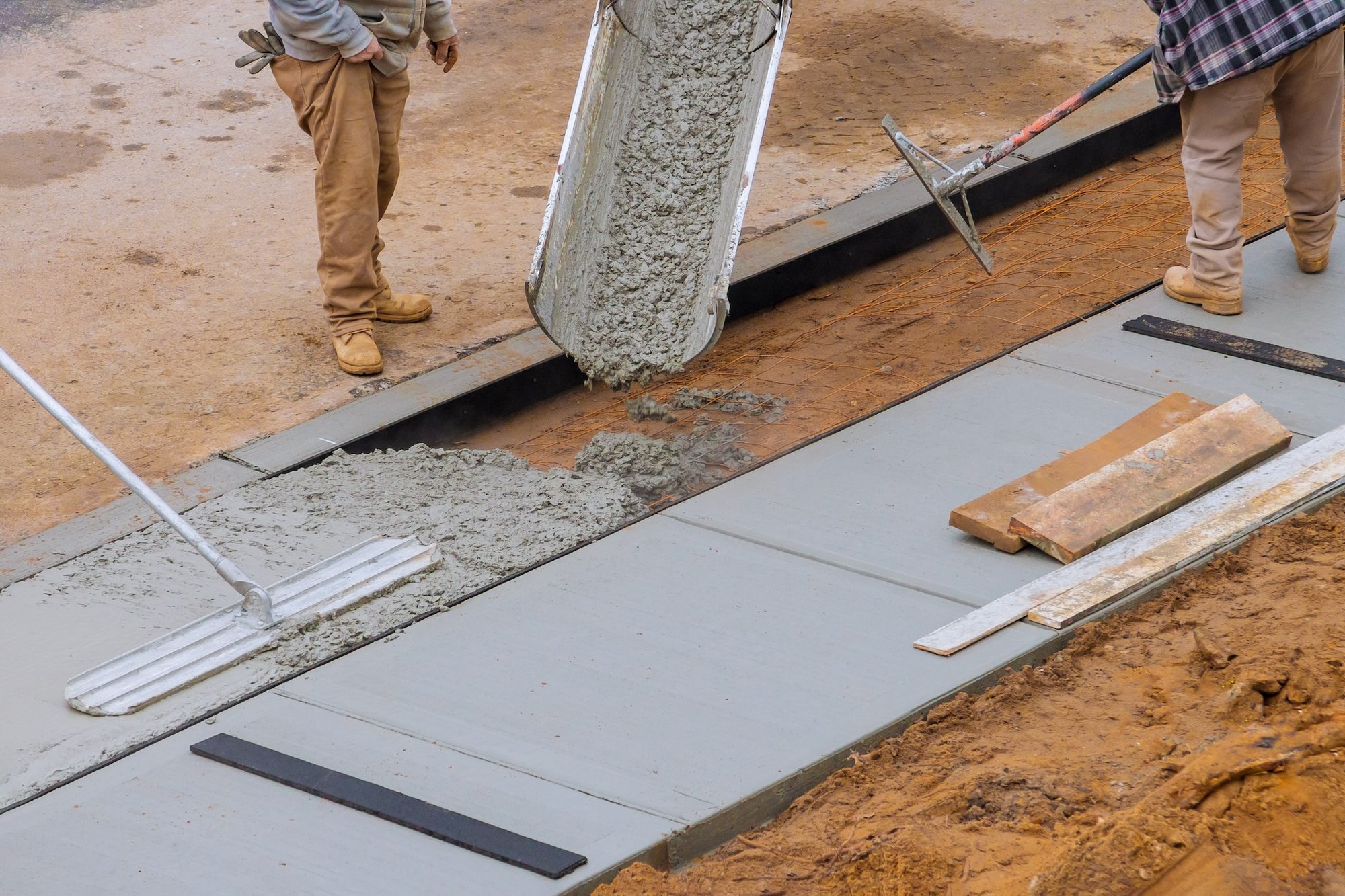
Blanket curing uses insulating covers, polyethylene sheets, or specially designed curing blankets placed directly over freshly finished concrete. This method serves two purposes. It retains moisture to support hydration, and it protects the concrete from temperature extremes, particularly in cold weather conditions common across Michigan.
In cold weather concreting, blanket curing is often a required protection measure rather than an optional technique. When ambient temperatures drop below 50 degrees Fahrenheit, hydration slows significantly. Below 40 degrees, it can stop almost entirely. Insulating blankets help maintain the minimum concrete temperature needed for continued strength development and protect against frost damage to fresh surfaces.
Blanket curing is commonly used on residential and commercial slabs, sidewalks, curb and gutter work, and any pour scheduled during shoulder seasons or winter months in Michigan. Homebuilders and residential contractors can find additional cold-weather and flatwork guidance through MCA homebuilder resources.
Other Methods
Additional curing methods include plastic sheeting placed directly on concrete surfaces, curing and sealing compounds that combine moisture retention with surface protection, and steam or heated enclosure curing used in precast or cold weather production environments. Each method carries specific application timing requirements, compatibility considerations, and performance expectations that MCA technical resources address in detail.
Curing Duration and Temperature Requirements
The minimum curing period recommended for most concrete work is seven days under normal temperature conditions. High-performance mixes, bridge decks, and structures with elevated durability requirements often call for longer cure times. ACI 308 provides the standard guidance that most specifiers and project owners reference.
Temperature is a critical factor throughout the curing period. Concrete placed in hot, dry, or windy conditions loses moisture rapidly and may require additional curing measures or extended protection. Cold weather pours require temperature monitoring and may require heated enclosures or additional insulation to ensure the concrete reaches adequate strength before exposure to freezing conditions.
Michigan contractors deal with both extremes across the construction season, and selecting curing methods without accounting for the forecast and site conditions is one of the most common causes of preventable concrete failures. Mix design decisions also directly influence how a concrete placement responds to curing conditions, and the MCA resource on concrete mix design in Michigan covers those relationships.
How MCA Supports Concrete Curing Education and Practice
The Michigan Concrete Association offers training programs, technical publications, and industry guidance that help contractors and concrete professionals apply curing principles correctly on every project.
MCA's technical support resources include guidance aligned with ACI standards, MDOT specifications, and current industry best practices. Whether you are looking to train crews on proper curing procedures, verify compliance requirements for a specific project type, or troubleshoot a concrete performance issue, MCA is the resource for Michigan's concrete industry. See upcoming webinars and on-demand sessions covering concrete performance topics, and in-person training options are available through the MCA training center.
Members receive direct access to technical staff, training discounts, and industry publications that keep crews and project managers current on evolving standards. Professionals working toward or maintaining ACI certification in Michigan can find exam and testing information through MCA's certification page.
Non-members can access select resources through the MCA website and are encouraged to explore membership for full access to the association's technical library.
Frequently Asked Questions
How long should concrete cure before foot traffic?
Most concrete slabs can support foot traffic after 24 to 48 hours under normal conditions, but this does not mean curing is complete. Active moisture retention or protection should continue for at least seven days to support adequate strength development. Heavy vehicle traffic and loaded applications require longer waiting periods, in addition to using strength determination methods to open to traffic at the right time.
Can you cure concrete in cold weather?
Yes, but it requires additional precautions. In temperatures below 50 degrees Fahrenheit, blanket curing, heated enclosures, and concrete temperature monitoring become necessary to maintain hydration and protect fresh concrete from freezing. MCA provides cold weather concreting guidance for Michigan contractors working in fall, winter, and early spring conditions.
What is the difference between curing and sealing?
Curing focuses on retaining moisture to support hydration and strength development during the early life of the concrete. Sealing is typically applied after the concrete has reached adequate strength and is designed to protect the hardened surface from water infiltration, staining, and wear. Some products combine both functions, but they serve different purposes and should not be treated as interchangeable.
Does MCA offer training on curing methods?
Yes. MCA offers technical training programs relevant to contractors, plant operators, and field supervisors. View current course offerings and registration options at the MCA training center.
Access MCA Technical Resources
Curing is one of the highest-leverage decisions made on any concrete project, and it costs nothing extra to do it correctly when the crew knows what to do and why. The difference between a slab that performs for thirty years and one that scales, cracks, or loses strength before the first Michigan winter is almost always a process decision made in the hours after placement.
MCA exists to make sure Michigan's concrete professionals have the technical foundation to get those decisions right, every time, on every project type. From field crews learning proper wet curing procedures to plant operators managing cold weather production, MCA technical resources are built for the people doing the actual work.