
Concrete Parking Lot Myths in Michigan: Cost, Cracks & Cold Weather
Many decisions about parking lots are made using outdated assumptions. Michigan’s climate demands better information.
Concrete parking lots are often ruled out early due to common misconceptions around cost, installation time, cracking, and winter performance. In reality, many of these concerns come from incomplete comparisons or projects that were not designed for Michigan conditions.
This page addresses the most common myths directly, drawing on Michigan Department of Transportation pavement data, climate considerations, and long-term performance factors to help decision-makers evaluate concrete more accurately.
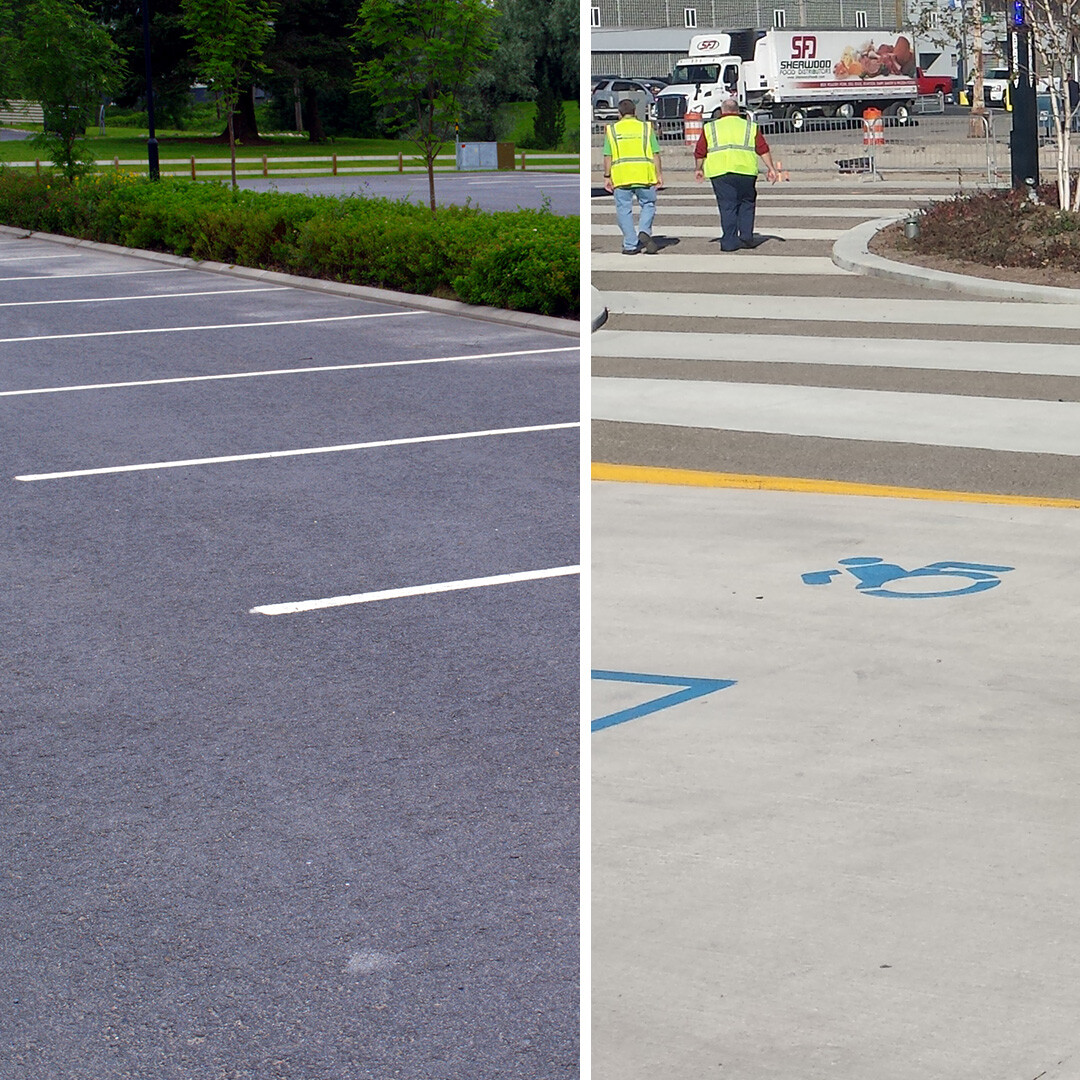
Concrete is often labeled as “too expensive” because its upfront installation cost is typically higher than asphalt. That comparison alone does not reflect how parking lots perform over time in Michigan.
In freeze-thaw climates, materials that require frequent resurfacing, patching, and sealcoating can accumulate higher long-term costs. Concrete’s longer service life and reduced maintenance cycles often shift the total cost of ownership, especially for properties planned for long-term use.
The Michigan Department of Transportation reports that concrete pavement averages 27.5 years before repairs are needed, compared with 15.5 years for asphalt (see MCA’s concrete vs. asphalt comparison).
Cost should be evaluated over decades, not just the first invoice.
Does Concrete Crack Worse Than Asphalt in Cold Weather?
All paved surfaces crack. The more important question is how cracking is managed.
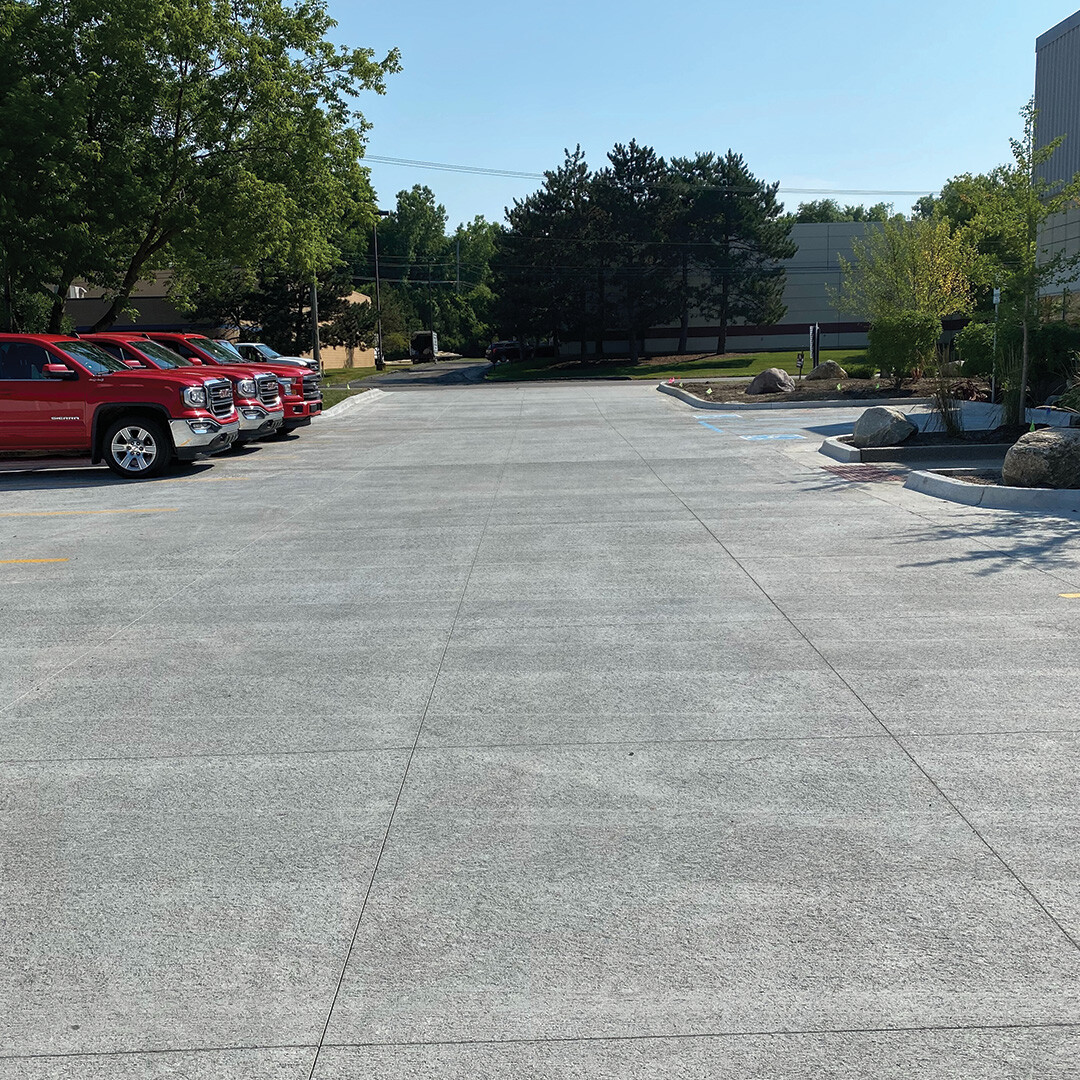
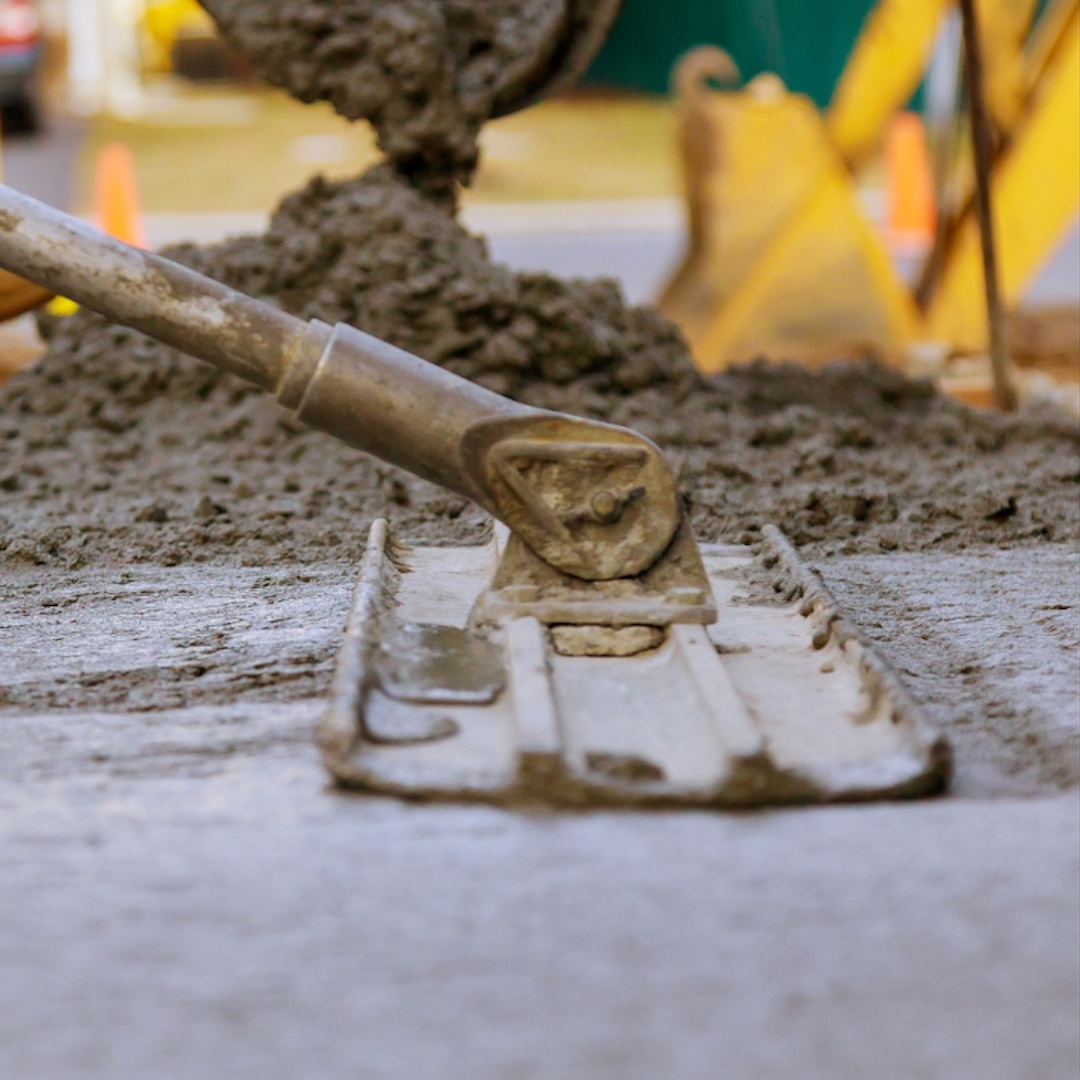
Concrete uses planned jointing systems that control where movement occurs. When designed and installed correctly, these joints allow concrete to handle temperature changes without widespread surface failure.
Asphalt cracks differently. It relies on flexibility, which can diminish as the surface oxidizes and becomes brittle over time, especially in cold conditions, leading to cracking.
Random cracking alone is not a failure indicator. Performance depends on design, installation, and long-term behavior in Michigan’s climate. For guidance on joint spacing and patterns, see MCA’s joint layout recommendations.
How Does Michigan’s Freeze-Thaw Cycle Affect Concrete Parking Lots?
Michigan experiences repeated freeze-thaw cycles each winter. Water enters the ground, freezes, expands, and thaws again. This movement stresses pavement surfaces from below.
Concrete parking lots designed for Michigan conditions account for:
- Proper subbase preparation
- Drainage management
- Joint spacing and placement
- Air-entrained mixes suitable for cold climates
When these factors are addressed, concrete performs reliably through seasonal temperature swings.
Is Concrete Harder to Maintain Than Asphalt?
Maintenance is often misunderstood as effort rather than frequency.
Asphalt typically requires:
- Regular sealcoating
- Crack filling
- Periodic resurfacing
Concrete maintenance is generally focused on inspection and joint upkeep rather than recurring surface treatments. This can reduce both maintenance frequency and operational disruption.
For many commercial properties, fewer repair cycles translate to fewer interruptions for tenants and customers.
Can Concrete Handle Snow Plows and Road Salt?
Snow plowing and deicing are unavoidable in Michigan. Concrete surfaces are well-suited for these conditions when properly designed and constructed.
Concrete resists rutting from plow blades and maintains surface integrity under repeated salting. Proper joint sealing and surface finishing play an important role in long-term winter performance. Learn more in Can Concrete Parking Lots Handle Michigan Traffic and Winters?
Winter performance is less about the material alone and more about correct planning and execution.
Why Don’t More Parking Lots in Michigan Use Concrete?
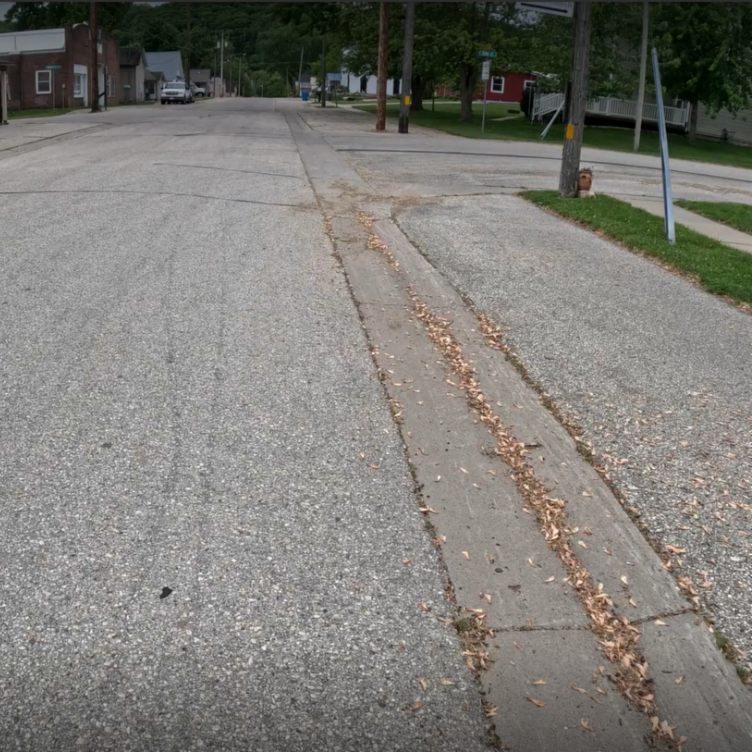
Many parking lots are built with short-term cost priorities or inherited specifications that default to asphalt. In some cases, concrete is dismissed based on experiences with older installations that did not reflect modern design standards.
As more owners evaluate lifecycle costs, durability, and long-term planning, concrete is increasingly reconsidered for Michigan applications.
When Is Concrete the Better Investment for Michigan Parking Lots?
Concrete may be a better fit if:
- The property is intended for long-term ownership
- Traffic loads are heavy or consistent
- Reduced maintenance disruption is a priority
- Total cost of ownership matters more than initial price
- Aesthetics or safety are priorities, since concrete’s surface is cleaner and brighter
No material is universal. This resource exists to help decision-makers ask better questions before committing.
Related Concrete Parking Lot Resources
- Concrete Parking Lot Design Guide for Michigan
- Can concrete parking lots handle Michigan traffic and winters?
- Concrete vs asphalt for commercial parking lots
- Download the Concrete vs Asphalt Cost Guide
- Browse frequently asked questions about cost, lifespan, and performance
- See all concrete parking lot resources
Connect With an MCA Member
If you would like to discuss your specific site conditions or evaluate options further, we can connect with an MCA Member.